

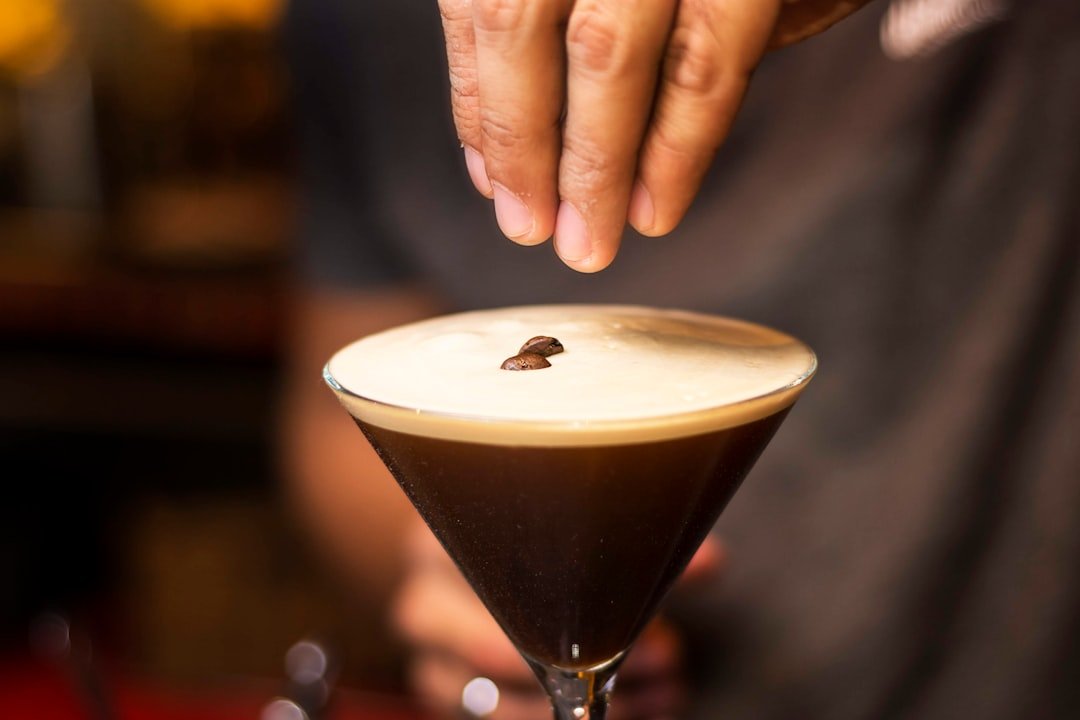
The espresso martini is not winning because it’s the best cocktail in the room. It’s winning because it makes everyone in the room look better.
The person ordering it seems fun, but not messy. The bar gets a built-in bit of theater. The table gets a photogenic coupe with that glossy crema-style foam and the sacred little trio of coffee beans on top. And you get to hold a drink that says, “Yes, I’m exhausted, but let’s make it chic.”
That’s the real story behind the espresso martini boom and whether it actually tastes good. This drink is less masterpiece, more perfectly engineered social object. It lives at the intersection of nightlife, coffee obsession, dessert nostalgia, and the eternal fantasy that maybe, just maybe, you are the kind of person with plans after 9 p.m.
So no, the real question isn’t whether the espresso martini is popular. Obviously it is. The question is whether, once you strip away the coupe glass, the foam, and the TikTok halo, it actually tastes good — or just expensive and weirdly affirming.
The hook: the espresso martini boom and whether it actually tastes good starts with image
A lot of drinks become trends because they taste amazing. The espresso martini became a phenomenon because it performs amazingly.
That sounds harsher than it is. It’s really just the truth.
Look at what the drink offers. Coffee, which already has main-character status in modern life. Alcohol, which still runs nightlife no matter how many wellness podcasts are in your queue. A little sweetness, which makes it approachable. A chilled, silky texture, which makes it feel polished. And a look that is almost offensively camera-ready. It’s basically the cocktail equivalent of flattering lighting.
That’s why this boom is bigger than a drinks trend. It’s a culture story. Coffee went from daily fuel to full-blown identity marker. People know what espresso is now — or at least know enough to care whether it’s “good espresso.” Bars, meanwhile, are always looking for drinks that feel premium without feeling obscure. The espresso martini lands right in that sweet spot: familiar enough to order without hesitation, glamorous enough to feel special, and caffeinated enough to create the comforting illusion that you are not, in fact, running on fumes.
Here’s the mildly contrarian bit: a lot of people don’t love espresso martinis for flavor complexity. They love them because the drink tastes like a polished compromise. It gives you coffee without asking you to decode tasting notes. It gives you vodka without tasting aggressively boozy. It gives you sweetness without fully tipping into milkshake territory — at least when it’s made well. It’s a late-night personality in a glass. Smart. Attractive. Slightly overdressed. Very easy to like.
And still, that doesn’t automatically mean it tastes good in the way great drinks taste good. Plenty of espresso martinis are all aesthetic, no architecture. They look lush, then hit the palate like cold, sugary, caffeinated confusion. So yes, the espresso martini boom is real. But so is the quality gap hiding underneath it.
Why the boom happened now: coffee culture grew up, and nightlife borrowed its language
The timing of this craze isn’t random. Coffee culture got sharper, more specific, more fluent in quality — and nightlife noticed.
A decade or two ago, “espresso” in a cocktail often meant dark, vaguely coffee-ish bitterness doing its best. Now people actually care what espresso tastes like. Roast profile matters. Origin matters. Extraction matters. The difference between fresh, aromatic espresso and stale, scorched espresso is no longer some niche concern for baristas and that one guy who owns three hand grinders. Regular people can taste the gap. That raised the ceiling for coffee cocktails, and it raised expectations too.
You can watch that overlap happening in real time. Daily Coffee News recently reported on Bizarre Coffee’s new cocktail program in Georgia, which includes espresso martini flights alongside coffee-forward drinks like a yuzu espresso tonic with soju. That’s a tiny detail, but a revealing one. Espresso martinis are no longer just bar-menu filler; they’re becoming a bridge between café culture and evening drinking, flexible enough to exist in both worlds at once. Flights, by the way, are a very specific sign of confidence. Nobody serves flights of something they expect you to ignore. Bizarre Coffee is basically saying the espresso martini now belongs in the same conversation as curated coffee service, which is kind of wild if you remember when it was treated like a relic of glossy late-’90s nightlife.

There’s another reason the boom hit now: premiumization. Slightly annoying word, yes. Still accurate. People are more willing to spend on things that feel intentional and worth it, especially when they recognize the cues of craftsmanship. Young professionals, in particular, want indulgence with receipts. Not literal receipts. Emotional receipts. They want to feel the quality. They want the drink to be recognizable but elevated, indulgent but still anchored in actual expertise. The espresso martini checks all four boxes with suspicious efficiency.
It also makes perfect sense from a menu strategy standpoint. Bars love drinks that are easy to sell, easy to explain, and easy to riff on. The espresso martini is all of those. Salted espresso martini. Orange-zest espresso martini. Spicy espresso martini. Tiramisu espresso martini. Coconut version. Flight version. Dessert version. “Our signature house version.” The format is so stable that menus can dress it up in whatever trend language they need.
And because coffee shops have expanded their own ambitions, the line between café and bar is blurrier than it used to be. Some cafés now run evening programs. Some bars talk about beans and extraction with the seriousness once reserved for wine lists. Coffee grew up, nightlife borrowed its vocabulary, and the espresso martini became the obvious shared language.
That’s the part people miss. The boom didn’t happen because everyone suddenly remembered this drink exists. It happened because culture finally built the exact runway it needed.
So… does it actually taste good? Yes — but only when the coffee is doing real work
Short answer: yes. Longer answer: yes, but only if the coffee isn’t being treated like decorative flavor wallpaper.
A genuinely good espresso martini has tension. That’s the whole trick. It should taste bitter and sweet, cold and aromatic, silky but not heavy. The coffee should bring roast depth and actual structure. The alcohol should support, not flatten. The sweetness should smooth the edges, not turn the whole thing into melted coffee ice cream with a liquor license.
And this is where most versions either become excellent or fall apart immediately.
The biggest variable is the espresso itself. Not the glassware. Not the garnish. Not the dramatic shake. The espresso. If it’s stale, over-extracted, underpowered, or just generic, the drink has almost no chance. Coffee in a shaken cocktail takes a beating: dilution, chilling, sugar, spirit, and liqueur all pull at it from different directions. A weak espresso disappears. A burnt espresso turns harsh. A flat espresso leaves the whole drink tasting oddly hollow, like someone described coffee to vodka from across the room.
That’s why strong espresso matters more here than it does in a lot of milk drinks, where texture and dairy can soften flaws. In an espresso martini, the coffee has to survive combat. If you want to understand why espresso strength and structure matter so much, it helps to look at why the doppio standard matters in Italy, where balance starts with a more serious espresso foundation.
If you like a more assertive version — less dessert, more grown-up evening energy — something like MORORA makes sense as the espresso base. It has the kind of intensity and woody, tobacco-like depth that won’t disappear behind vodka and coffee liqueur. Not subtle. On purpose. That’s useful in a cocktail where subtle usually gets steamrolled.
If you lean softer and richer, with more plush, dessert-friendly edges, MAMA AFRICA is a natural comparison point. Its chocolate-caramel profile fits the kind of espresso martini a lot of people think they want: rounded, comforting, still recognizably coffee, but less severe. Same category, different mood.
Texture matters too, and people weirdly don’t talk about it enough. The famous foam isn’t just aesthetic fluff. It carries aroma. It shapes the first sip. It gives the drink that polished, luxurious entrance. But foam can also distract from a weak build. If the top is lush and the liquid underneath is thin, syrupy, or oddly sharp, the illusion disappears fast. Great espresso martinis don’t just photograph well at the surface. They stay coherent all the way down.
That’s the part that surprises people: the foam is not proof of quality. It’s proof that someone shook a drink containing espresso. Helpful, sure. Not exactly a Michelin star.
The real problem: most espresso martinis are engineered for vibes, not balance
This is where we have to be a little mean. Lovingly mean.
Most espresso martinis are built to be instantly likable, which often means they’re too sweet, too blunt, and way too eager to please.
If a bar wants a guaranteed seller, that makes sense. A sweeter build gets fewer complaints. A generic coffee liqueur note reads as familiar. Vodka stays neutral. Vanilla syrup smooths everything out. Suddenly you have a drink that almost nobody hates on first sip. But “nobody hates it” is not the same thing as “this is good.”
The real issue is that a lot of espresso martinis blur coffee flavor into generic dessert flavor. You’re not tasting espresso as a vivid ingredient with aroma, bitterness, and roast character. You’re tasting “coffee-adjacent sweetness.” It’s the difference between an actual espresso and a candle labeled espresso. Same basic concept. Very different experience.
Vodka is both the genius and the weakness of the drink. Because it’s relatively neutral, it lets the coffee lead. Great. But that also means there’s nowhere to hide. If the espresso is mediocre, the vodka won’t rescue it. If the liqueur is heavy-handed, the vodka won’t add complexity. If the syrup is overdone, the whole thing goes flat. A spirit with more character, like rum or brandy, might at least bring something interesting. Vodka mostly shrugs and says, “You two figure it out.”
That’s why sameness creeps in so easily. Once every version starts leaning on vanilla, blunt sweetness, and dark-roast stereotype, the whole category narrows. Everything tastes familiar, but not memorable. A lot of bars are essentially serving the same drink in different fonts.
And here’s the slightly spicy take: the best espresso martinis are almost a little divisive. Not unpleasant. Just adult. They should be a touch bitter, maybe a little dry, definitely more espresso than candy. If everyone at the table immediately says, “Whoa, that’s dangerously easy to drink,” that may not actually be a compliment. Sometimes it’s a sign the drink has been sanded down until all the interesting edges are gone.
A good espresso martini should make you notice the coffee. That sounds obvious, but apparently it still needs saying. And if you enjoy coffee-meets-cocktail experimentation more broadly, there’s a natural overlap with dirty chai latte and espresso hybrid drinks, where the same question applies: is the espresso adding real character or just trend appeal?
What separates a genuinely good one from a trendy one you order once for the photo
There are tells. Fast ones.
The first is aroma. A genuinely good espresso martini should smell like fresh espresso before anything else. Not sugar first. Not alcohol first. Not generic sweetness first. Espresso first. If the aroma feels muted or weirdly confectionary, the coffee probably wasn’t taken seriously.
Second: look at the body. A good espresso martini should have some opacity, yes, but still feel fluid and silky. If it looks like syrup in evening wear, be suspicious. If the foam sits on top like a separate species, also suspicious. The drink should feel integrated, not accidentally layered.
Third: taste for clean coffee persistence. The finish matters more than the first sip. Plenty of mediocre espresso martinis open nicely because they’re cold and sweet and texturally flattering. Then the aftertaste turns muddy. A better one leaves a clear coffee note lingering after the sweetness fades. That’s a big difference. It tells you the espresso had enough presence to survive the whole construction.
Here’s a practical checklist you can actually use at a bar:
- If it smells mostly sweet: probably too syrup-driven.
- If it tastes like canned mocha: no grazie.
- If it’s aggressively sugary from the first sip: the balance is off.
- If the coffee lingers cleanly afterward: now we’re talking.
- If it tastes more like espresso than candy: that’s usually a very good sign.
- If it’s “dangerously easy” in a way that erases all bitterness: cute, but maybe not good.
You can also judge by the kind of coffee profile the drink seems to be aiming for. A richer, more plush style can be excellent if the espresso has chocolate-caramel depth and enough roast backbone to avoid becoming dessert soup. That’s where a profile like MAMA AFRICA makes intuitive sense: softer, rounder, more dessert-leaning without going vague. On the other hand, if you want a more assertive, less cuddly espresso martini, MORORA is a better example of the kind of espresso that can hold the center of the stage.
That distinction matters because people often talk about espresso martinis as if there’s one ideal version. There isn’t. There are styles. Plush and sweet. Lean and bitter. Dessert-coded. Nightcap-coded. The issue isn’t that bars choose one style over another. The issue is that too many choose “blurry.”
One last cue that catches people off guard: color can tell you something. Extremely dark doesn’t automatically mean more coffee. Sometimes it means heavy liqueur or over-roasted espresso. A slightly lighter, warm brown with a fine, even foam can actually signal a fresher, more balanced build. Dark and dramatic looks great. It is not always your friend.
The verdict: the espresso martini deserves the hype — but only if we stop pretending every version is good
So, does it actually taste good?
Yes. Absolutely. At its best, the espresso martini deserves every bit of its comeback. It’s stylish, satisfying, aromatic, and more structurally interesting than its haters like to admit. The format works. The appeal makes sense. The concept itself is not overrated.
What is overrated is how many bars get away with serving lazy versions and letting the drink’s reputation do the heavy lifting.
That’s the distinction. A good espresso martini respects espresso as more than branding. If coffee is in the headline, it should taste like coffee — vivid, aromatic, specific, alive. Not just dark sweetness with a caffeine rumor attached. The bars getting it right understand this isn’t a vodka dessert with a bean garnish. It’s a coffee cocktail, and the coffee needs to show up like it means it.
Which, honestly, is also how we think about espresso in general. Italian coffee culture has never really been about making things complicated for sport. It’s about precision, quality, ritual, and pleasure all behaving themselves in the same small cup. The espresso martini can do that too. But only if the espresso is treated as the point, not the prop.
So the next time you order one, don’t just ask whether the bar has an espresso martini. Ask what espresso they use. Ask how sweet they make it. Ask whether they want it to taste like coffee or just cosplay as coffee. That one question tells you a lot.
Because the espresso martini boom isn’t really a test of cocktail culture. It’s a test of whether we still know the difference between a good drink and a good idea.
Sources
- Daily Coffee News, https://dailycoffeenews.com/2026/03/25/bizarre-coffee-brings-more-good-mood-juice-to-georgia/
- Pascucci Coffee, https://www.pascuccicoffee.com/products/morora
- Pascucci Coffee, https://www.pascuccicoffee.com/products/mama-africa
Frequently Asked Questions
Does an espresso martini actually taste good?
Yes, but only when the espresso is strong, fresh, and balanced against sweetness and alcohol. A great version tastes clearly of coffee, not just sugary mocha with vodka.
Why are espresso martinis so popular right now?
They sit at the intersection of coffee culture, nightlife, and social media appeal. They look polished, feel premium, and offer a familiar flavor profile that bars can easily market.
What makes a bad espresso martini?
Too much syrup, stale espresso, and heavy-handed coffee liqueur are common problems. The result is often a drink that looks beautiful but tastes muddy, overly sweet, or flat.
How can you tell if an espresso martini is well made?
Start with the aroma: it should smell like fresh espresso first. Then look for silky texture, integrated foam, and a finish where real coffee flavor lingers after the sweetness fades.
