

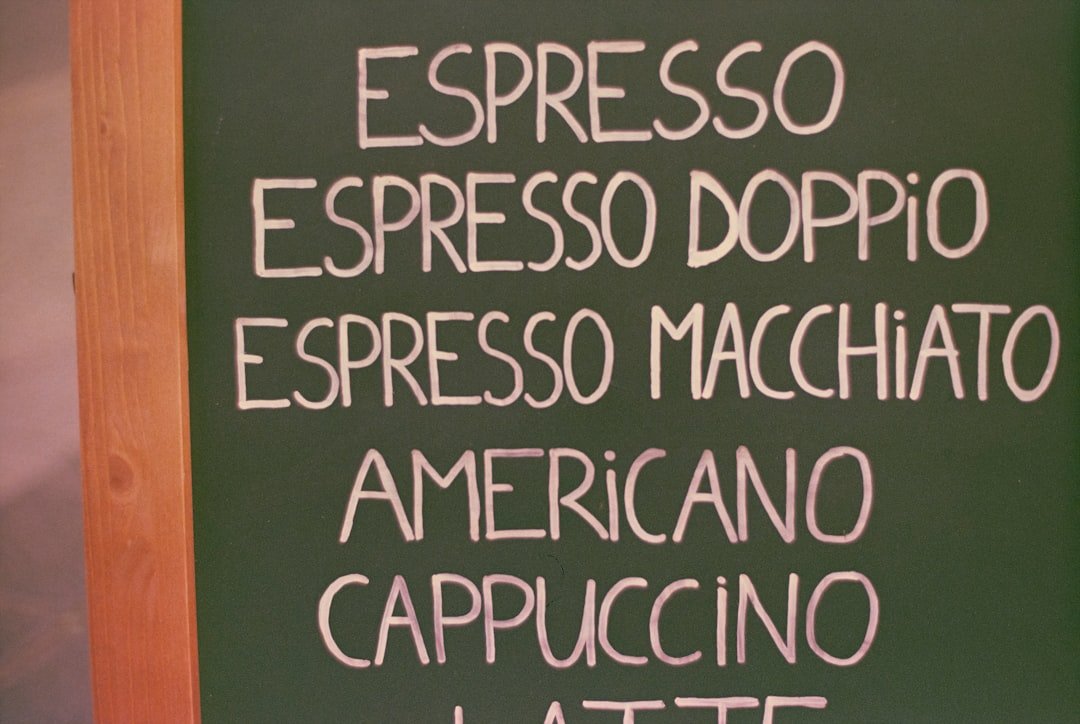
One shot of espresso is cute. Cinematic, even. Tiny cup, tiny spoon, one dramatic sip, and suddenly everyone feels very European. But if you’ve ever ordered a single shot and thought, wait, that’s it? — you’re not missing something. You’re just conscious. The global romance around the perfect solo espresso tends to skip one pretty important detail: most modern coffee drinkers want more body, more flavor, and more than three seconds of enjoyment before the cup is empty. That’s where the doppio comes in. Not as some chaotic caffeine flex, but as the format that actually fits how people drink coffee now: in a rush, with milk, over ice, between meetings, before deadlines, after bad sleep, and with standards slightly higher than “brown liquid happened.” For all the mythology around Italian espresso, the real story behind the doppio standard in Italy and why one shot is never enough is less about excess and more about sufficiency. If espresso is meant to be small but mighty, why does one shot so often feel like a compromise?
One shot is a cute idea. Italy built its coffee culture on something more serious.
The single espresso has icon status for a reason. It’s elegant. Minimal. It carries that whole old-school bar ritual energy: walk in, order a caffè, drink it quickly at the counter, back into the world. No camping with a laptop. No oat milk TED Talk. Just coffee, fast.
But coffee culture did not, in fact, stop evolving in 1956.
Even in Italy, where espresso ritual is basically civic infrastructure, the point was never tiny-for-tiny’s-sake. It was balance. Efficiency. Satisfaction. A drink that does its job. And outside the strict standing-at-the-bar context, the doppio has become the more functional baseline in plenty of modern cafés because it works better with contemporary equipment, roast styles, and actual daily life.
That’s the part people miss when they get too sentimental about the single. They treat it like the purest version of espresso, when in practice it can be the fussiest and least forgiving format on the menu. A single shot asks a lot from a very small amount of coffee. There’s less room for error, less room for texture, and less room for flavor to really open up. Beautiful in theory. Slightly chaotic in practice.
Meanwhile, the doppio is over here being useful.
It’s not just “double the caffeine,” though yes, there’s usually more caffeine because there’s more coffee involved. More importantly, it gives you enough extraction to build a cup with structure: crema that doesn’t vanish immediately, sweetness that has time to show up, acidity that reads as lively instead of sharp, and a finish that lasts long enough for your brain to catch up.
And that matters because the way people drink espresso now looks very different from the old stereotype. You’re not always knocking back a one-ounce shot and disappearing into the street in 20 seconds. You might be turning it into a cappuccino. Pouring it over ice. Taking it to your desk. Drinking it through the first half of a meeting that absolutely should have been an email. The coffee has to hold.
That’s why the doppio standard in Italy and why one shot is never enough isn’t really about making espresso bigger. It’s about making it complete.
The single shot is iconic. The doppio is practical.
Let’s get technical for a second, but not in a lab-coat way.
A traditional single espresso is typically brewed with a smaller dose of ground coffee and a smaller beverage yield. Exact numbers vary by café, machine, roast, and style, but think roughly 7 grams of coffee for a traditional Italian single, yielding around 20–30 milliliters. A doppio generally uses about double the dose and produces a larger shot, often around 14 grams or more in older Italian-style specs, and considerably higher in many specialty cafés today, where double baskets commonly hold 18–20 grams or more.
That shift matters.
The Specialty Coffee Association’s modern brewing framework and espresso education standards reflect the reality that espresso today is often built around double-shot parameters, not tiny singles trying to behave heroically under pressure. Many commercial portafilters, baskets, grinders, and café workflows are optimized around doubles because they’re easier to prepare consistently and easier to dial in during real service. That’s not barista laziness. That’s physics being annoying again.
With a single basket, tiny changes in grind size, distribution, tamp pressure, or puck prep can show up much more dramatically in the cup. You have less coffee mass to buffer inconsistency. Extraction can run unevenly more easily. Channeling — that fun little disaster where water finds weak paths through the coffee puck instead of extracting evenly — becomes more obvious. A single shot can absolutely be delicious, but it often asks for more precision to produce less beverage. Which is, frankly, a very specific kind of inconvenience.
A doppio is simply more stable.
That’s one reason so many cafés default to doubles even if the menu still does that nostalgic little dance around “single” espresso. The hardware already assumes a doppio-first workflow. Double baskets are more common. Dialing in is usually done around double-shot recipes. Grinder calibration is often tuned to keep doubles tasting balanced and repeatable through changing humidity, rush-hour demand, and the daily drama of coffee service.
Funny, right? The “standard” isn’t always what the menu language suggests. In a lot of places, the real standard is already the double.
Then there’s flavor.
With more coffee in the basket and a more forgiving extraction structure, doubles tend to offer more sweetness, more body, and more room for complexity. That can mean chocolate, caramel, dried fruit, toasted nuts, citrus, florals — whatever the coffee is built to express. Singles can be lovely, but they can also skew thin, sharp, or oddly fleeting, especially if the roast profile was designed with modern espresso recipes in mind. A coffee developed to sing as a double may whisper as a single. Or mumble.
And nobody wants their espresso to mumble.
If you enjoy exploring concentrated espresso drinks beyond the classic straight shot, you might also like dirty chai latte and espresso hybrid drinks to try, where espresso strength matters just as much in mixed formats.
Why one shot disappears the second milk enters the chat
Here’s the very real problem with the single shot: milk does not care about your romantic ideals.
Put one shot into a cappuccino, latte, flat white, or iced milk drink, and suddenly all that carefully extracted espresso can get flattened into background noise. You’re left with something technically coffee-based but emotionally beige. The drink reads as warm milk, cold milk, or sweetened milk with a vague espresso rumor attached.
That’s one of the biggest reasons the doppio became the quiet hero of modern café menus.
A double shot brings enough concentration to hold its ground in milk without forcing the barista to overextract a single shot in a desperate attempt to make it taste “stronger.” And that distinction matters. Stronger doesn’t have to mean harsher. Push a single shot too far and you can end up with bitterness, dryness, or that hollow kind of intensity that feels more punishing than satisfying. A doppio solves the problem more elegantly: enough coffee, enough dissolved solids, enough aromatic presence to stay visible once milk enters the chat.
This is especially true in iced drinks, where dilution is basically guaranteed. Ice melts. Time passes. Your coffee sits on a desk while you answer messages you absolutely did not ask for. A single shot in that situation can disappear with impressive speed.
The doppio, on the other hand, was built for endurance.
That shift tracks with how people actually live now. The old image of espresso as a quick hit at the bar still matters culturally, especially in Italy, but a lot of coffee today is mobile. It’s commuting coffee. Calendar coffee. Hybrid-work coffee. “I need this to survive the train and the 9:30” coffee. You’re not always drinking in one ceremonial sip. You’re carrying the drink through actual time, and the coffee needs enough presence to make it to the other side.
This is where a fuller, more assertive blend just makes sense. If you like espresso that keeps its character in milk drinks, MAMA AFRICA is the kind of coffee a well-informed friend would casually point you toward. Its toasted, chocolate, and caramel profile has the kind of grounded, deeper flavor that doesn’t vanish the second milk shows up. Softer coffees can get ghosted in a cappuccino. This one tends to stay in the conversation.
And that’s really the issue, isn’t it? Not whether a single shot is “authentic,” but whether the drink still tastes like coffee by the time you’re halfway through it.
The doppio isn’t just more caffeine—it’s a better deal for your palate
A lot of people hear “doppio” and assume the appeal is purely chemical. You’re tired. You want more caffeine. End of story.
That’s lazy coffee math.
Yes, a doppio usually contains more caffeine than a single because it uses more ground coffee. But the better argument for the doppio is sensory, not just physiological. You’re not ordering it only because you want a bigger jolt. You’re ordering it because you want enough espresso to actually taste what’s there.
A well-pulled doppio gives aroma time to develop. It gives crema texture a chance to matter. It gives the coffee’s sweetness, bitterness, acidity, and finish enough space to feel like a balanced whole instead of a blink-and-you-missed-it event. If a single shot can sometimes feel like a teaser trailer, a doppio feels like the actual film.
And if you’re paying café prices, that difference lands.
You want more than a symbolic sip. You want a drink that feels complete. Not giant. Not absurd. Just sufficient. There’s a reason espresso drinkers talk about body and mouthfeel with almost suspicious sincerity: texture changes the whole experience. More volume, when it’s properly extracted, can make the coffee feel rounder, silkier, and more satisfying. Not because bigger is always better, but because underbuilt drinks rarely are.
This is also where people confuse strength with intensity.
“Strong” gets thrown around so loosely in coffee conversation it barely means anything anymore. Sometimes people mean caffeine content. Sometimes they mean roast darkness. Sometimes they mean flavor concentration. Sometimes they just mean “I need this to emotionally support me.” But a doppio can taste fuller and more intense without becoming bitter, reckless, or aggressive. More coffee does not automatically equal more punishment. If the extraction is balanced, the extra volume can actually make the cup taste smoother and sweeter.
A nice little plot twist for anyone who still thinks the double is only for people in crisis.
And if you’re exactly the kind of person who orders espresso and still feels like one shot never quite lands, MORORA makes a lot of sense in this conversation. It’s the kind of coffee built for a serious doppio moment: high intensity, high caffeine, no confusion about whether it showed up. Not every coffee wants to be subtle. Some are here to make a point, politely but very clearly.
Which is maybe the best way to think about the doppio overall. It’s not indulgent. It’s proportionate.
What Italy gets right: espresso isn’t about size, it’s about sufficiency

Here’s where the Italy conversation gets interesting, because this is usually the point where people start acting like “authenticity” means freezing coffee culture in amber.
Italian espresso culture has always prized restraint. That part is true. Drinks are typically smaller than the giant dessert beverages that became popular elsewhere. The ritual is quick, focused, intentional. The point isn’t to carry around 24 ounces of sugar with a coffee cameo. The point is to get a satisfying, balanced drink without turning the whole thing into theater.
But restraint is not the same as stinginess.
That’s the subtle genius of the doppio. It can still be compact. Still elegant. Still very much espresso. It just gives you enough. Enough flavor, enough body, enough duration, enough presence to feel finished rather than abbreviated.
The Italian Espresso National Institute, which defines standards around certified Italian espresso, describes espresso through parameters like volume, crema, color, aroma, and balance — not through some moral obsession with making the drink as tiny as possible. That’s a useful distinction. The goal is quality and harmony. Not deprivation in a demitasse.
And outside Italy, there’s a weird little cultural irony: people often reduce “Italian coffee authenticity” to strict visual cues. Tiny cup. Dark bar. No nonsense. Maybe a dramatic hand gesture if you’re lucky. But actual coffee culture, in Italy and everywhere else, evolves around what tastes good and works in daily life. Commercial machines changed. Roast styles changed. Drink habits changed. Café service changed. The idea that the single shot must remain untouched because tradition says so is a bit like insisting everyone should text less because telegrams had better discipline.
Romantic, sure. Not especially useful.
Meanwhile, the doppio manages to respect the original spirit of espresso better than some people realize. It’s still concentrated. Still intentional. Still not absurdly oversized. It simply acknowledges that a modern coffee drink should be built to satisfy the drinker, not just flatter an aesthetic.
That might be the most Italian move of all, honestly. Not clinging to a museum-piece version of espresso because it photographs well in a tiny porcelain cup, but choosing the format that best delivers balance, pleasure, and daily function. Good taste, in every sense.
A little basta for performative minimalism. More room for coffee that actually works.
So should the doppio be the default? Probably yes—and that says something about how we live now.
If you’ve made it this far, you can probably see where this is going.
Yes, the doppio should probably be the default more often than the single.
Not because bigger is always better. Not because everyone needs more caffeine. Not because coffee has to become excessive to be enjoyable. The case for the doppio is simpler than that: it reflects a shift from symbolic tradition to usable pleasure. People want coffee that performs, not just coffee that looks correct in a tiny cup.
And that says something bigger about modern life too.
We live in a culture full of underbuilt experiences — things designed to signal quality without fully delivering it. Tiny portions sold as luxury. Vibes sold as substance. Aesthetic sold as utility. The single espresso can sometimes fall into that trap when it’s treated as inherently superior just because it looks more “classic.” But coffee is not improved by being less satisfying. A drink isn’t more sophisticated because it ends before it begins.
If you drink espresso straight and genuinely love that short, punchy, razor-focused ritual, the single still has a place. Absolutely. There’s real beauty in that format when it’s done well. But if what you want is balance, consistency, milk compatibility, or a drink that feels complete from first sip to last, the doppio is usually the smarter order.
That’s the real answer to the doppio standard in Italy and why one shot is never enough. It’s not about greed. It’s not about caffeine panic. It’s not even really about “more.” It’s about refusing less than the coffee can actually offer.
And maybe that’s not a bad philosophy beyond the cup.
Next time, order the doppio on purpose. Not because you’re exhausted — though, fair — but because you want to taste what your coffee can actually do.
Sources
- Specialty Coffee Association, https://sca.coffee/research/protocols-best-practices
- Specialty Coffee Association, https://education.sca.coffee
- Istituto Espresso Italiano, https://www.espressoitaliano.org/en/certified-italian-espresso/
- Barista Hustle, https://www.baristahustle.com
- Perfect Daily Grind, https://perfectdailygrind.com
- Pascucci Coffee, https://www.pascuccicoffee.com/products/morora
- Pascucci Coffee, https://www.pascuccicoffee.com/products/mama-africa
Frequently Asked Questions
What is a doppio in Italian coffee culture?
A doppio is a double espresso, made with roughly twice the coffee dose of a single shot. In modern cafés, it often serves as the practical standard because it delivers more balance, body, and consistency.
Why is one shot of espresso often not enough?
One shot can taste thin or disappear quickly, especially in milk drinks or over ice. A doppio gives the espresso more structure, flavor clarity, and staying power from first sip to last.
Is a doppio just about having more caffeine?
No. While a doppio usually has more caffeine, its biggest advantage is sensory: more sweetness, body, crema, and a fuller expression of the coffee’s flavor.
Does Italy actually prefer doppio over single espresso?
Traditional Italian bar culture is closely tied to single espresso, but modern café equipment and workflows often favor doubles. The broader point is that Italian espresso values balance and satisfaction, not tiny size for its own sake.
