

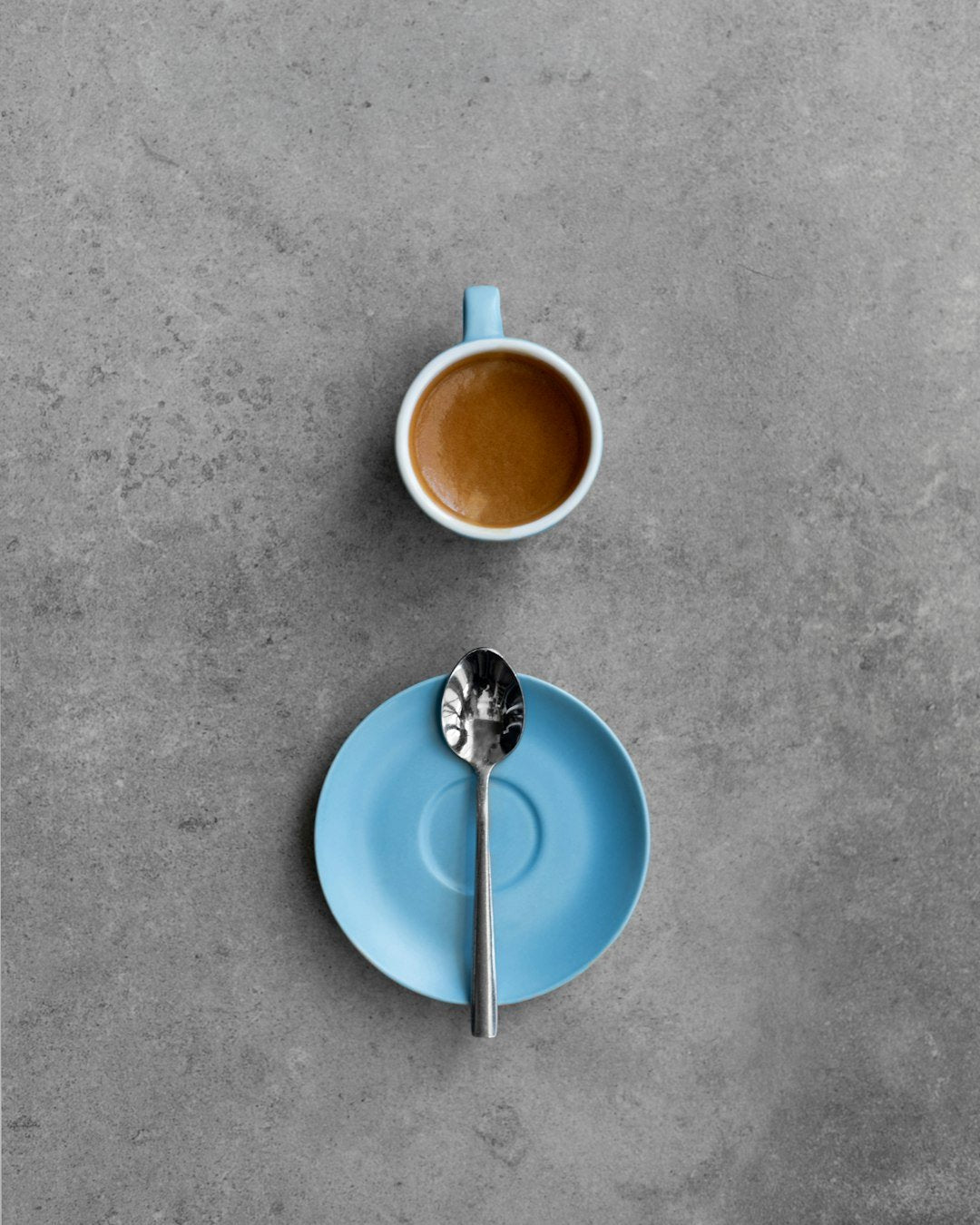
Order a cappuccino in Italy at 3pm and, no, nobody’s calling the police. You’re not getting deported. No barista is slamming down a portafilter and yelling basta. But you will quietly announce one thing: you’re running on tourist time, not Italian time. And honestly, that tiny cultural mismatch is the whole story.
The rule about why Italians never order cappuccino after 11am and the real reason behind it has a lot less to do with coffee snobbery than people assume. It’s not a sacred ban. It’s not old-world theater. It’s rhythm. Daily rhythm, meal rhythm, digestion rhythm, social rhythm. In Italy, coffee isn’t just a drink category; it’s basically a timing system. A cappuccino belongs to the morning because the morning has a specific shape: quick breakfast, something sweet, maybe a cornetto, a few sips of hot milk and espresso foam, then off you go. By lunch, that moment is over. Different hour, different coffee.
That’s the key. The real reason isn’t “milk is illegal after noon,” which would be dramatic and also not how nutrition works. It’s that Italians tend to match drinks to moments. Cappuccino is breakfast. Espresso is the punctuation mark after meals. A macchiato might sneak into the afternoon. Coffee, in the Italian sense, is situational. Once you see that, the 11am thing stops looking like a weird rule and starts looking like what it actually is: a cultural habit so common it’s practically invisible to the people living it.
Why Italians Never Order Cappuccino After 11am and the Real Reason Behind It
A lot of travel content treats this like some secret elite code, as if all Italians emerge from the womb knowing the exact hour dairy becomes socially suspicious. That gives the whole thing way too much drama.
What’s really happening is simpler, and honestly more interesting: Italian coffee culture follows the architecture of the day. Breakfast is light. Lunch matters. Dinner matters too. Coffee breaks are short. Drinks are chosen accordingly. So if you ask why Italians never order cappuccino after 11am and the real reason behind it, the answer is that Italians generally don’t see cappuccino as an all-day default. They see it as a morning move.
Historically, cappuccino is tied to the Italian breakfast ritual: a cappuccino and a pastry, often consumed standing at the bar in a matter of minutes. Not a sprawling brunch. Not a giant insulated cup buckled into the passenger seat. Just a quick, efficient, oddly elegant little reset before work. The drink itself makes sense there. It’s warm, comforting, a little more substantial because of the milk, and mild enough to pair with something sweet.
That context matters more than the clock itself. Italians aren’t staring at their watches waiting for 11:01 so they can switch from foam to pure espresso like caffeinated Cinderella. The hour is more of a shorthand. By late morning, breakfast is over. And once breakfast is over, cappuccino starts to feel a little out of place.
Italians care a lot about timing. Not in a rigid, joyless way. More in a this-goes-here way. You don’t wear beach sandals to a board meeting. You probably don’t order lasagna for breakfast. You can, obviously. Free will remains undefeated. But some choices feel out of tune with the setting. Cappuccino after 11am lands in that category.
There’s also a practical layer. Italian bars are built around speed. The Istituto Espresso Italiano notes that espresso service in Italy is deeply tied to consistency, brevity, and ritual, which helps explain why different drinks developed different social roles. Espresso is quick. Cappuccino, because of the milk and foam, reads more like a breakfast item than a rapid post-meal closer. It’s not just what’s in the cup. It’s the job the cup is doing.
That’s really it. The “rule” is less about moral correctness and more about whether the drink fits the slot in the day. If you want a deeper look at how timing and standing-at-the-counter rituals shape the experience, Italian bar culture explains why counter coffee hits different.
Cappuccino Is Breakfast, Not a Personality
This is where the cultural misunderstanding gets fun.
In Italy, breakfast is usually small, sweet, and fast. Think cappuccino and a cornetto. Maybe an espresso and a pastry. Maybe some biscotti at home. According to reporting from La Cucina Italiana and other Italian food publications, the traditional Italian breakfast tends to be light rather than protein-heavy or savory. That’s a huge clue for understanding why Italians never order cappuccino after 11am and the real reason behind it. Cappuccino isn’t just “coffee with milk.” It’s part of a breakfast format.
And because breakfast is relatively modest, a milk-heavy coffee fits naturally. It adds a little body to the meal. It feels soft at the beginning of the day. It pairs with sweet pastry in a way straight espresso doesn’t always. That foamy layer isn’t just decoration; it changes the whole experience. The drink becomes gentler, more breakfast-coded, less like a sharp jolt and more like a warm-up.
Now compare that with a lot of Anglo-American coffee habits, where milk drinks often do triple duty as beverage, snack, portable breakfast, and emotional support system until late afternoon. A large latte can become a desk companion for two hours. A flavored coffee can function as a treat, a habit, and a personality trait all at once. No judgment. We’ve all seen someone white-knuckling an iced vanilla something at 4:17pm like it’s carrying their entire week.
Italy just doesn’t organize coffee that way.
The standard Italian cappuccino is also much smaller than many American café versions. Traditional cappuccino usually lands around 150 to 180 milliliters, roughly 5 to 6 ounces, according to espresso training standards commonly cited by specialty coffee organizations and Italian espresso institutions. That’s tiny by U.S. café standards, where 12, 16, or even 20 ounces can pass as normal. Once you realize the Italian cappuccino is a compact breakfast drink rather than a giant milk vessel, the morning-only habit makes a lot more sense.
This is the part people miss: in Italy, cappuccino is not a blank canvas for all-day self-expression. It has a role. It’s breakfast. Full stop.
So ordering one later can feel a bit like showing up to a business lunch and asking for cereal. Is cereal illegal? Of course not. Is it criminal to enjoy milk after noon? Also no. But the choice can read as oddly disconnected from the surrounding meal culture. You’re not breaking a law. You’re just speaking the wrong dialect of the day.
And honestly, that’s one of the coolest things about Italian coffee culture. Drinks aren’t random. They mean something because they belong somewhere. For a broader look at how coffee customs evolve outside classic cafés, see how coffee culture can thrive beyond cafés.
The Real Reason: Digestion, Meals, and Not Feeling Heavy
Ask an Italian why cappuccino after lunch is weird, and there’s a decent chance the answer will involve digestion.
Specifically: milk is considered heavy.
Now, is there a universal scientific law stating that steamed milk after 11am causes cultural collapse? No. Human digestion is more complicated than folklore, and tolerance varies a lot. But the belief itself is deeply embedded in everyday Italian habits. After a meal, especially lunch or dinner, many Italians feel that a milky drink is simply too much. Too filling. Too rich. Too likely to sit awkwardly on top of the meal.
That belief tracks with broader patterns in Italian dining. Meals are often structured around balance and pacing. There’s an instinct not to overload the experience with one extra heavy thing. A post-meal cappuccino doesn’t just add coffee; it adds warm milk and foam after you may have already had pasta, meat, vegetables, bread, dessert, wine, or some combination of the above. Culturally, that can read as excessive.
Espresso solves this neatly. It’s short, concentrated, and over fast. One or two sips. Maybe three if you’re feeling philosophical. It gives you the coffee hit without turning into another course. That’s a major reason espresso became the standard after meals. The Italian Academy of Cuisine and countless hospitality guides describe espresso as the classic ending to lunch or dinner for exactly this reason: it closes the meal cleanly.
And this is where the real reason behind the cappuccino rule gets more interesting than the stereotype. Italians don’t avoid post-11am cappuccinos because they’re rigid rule-followers. They avoid them because the habit aligns with a bigger national preference: proportion.
A lot of Italian food culture is built on proportion. Not tiny portions, despite what the internet loves to claim. Proportion in the sense that each thing has its place, its amount, its moment. A cappuccino in the morning? Balanced. A cappuccino after a full lunch? For many Italians, that feels like one beat too many.
There’s also a sensory logic to it. After eating, especially a savory meal, Italians often want coffee to be crisp and direct. Espresso brings bitterness, aroma, and intensity. It wakes the palate back up. A cappuccino softens those edges with milk, which is exactly why it works beautifully in the morning and feels less right after a substantial meal. One drink punctuates. The other cushions.
Tiny distinction. Big cultural effect.
If you want the most useful way to think about why Italians never order cappuccino after 11am and the real reason behind it, here it is: the issue isn’t milk itself. It’s what milk represents in that context—extra weight, extra volume, extra lingering. Italian coffee culture generally prefers the opposite after meals.
Italians Do Break the Rule, Just Not the Way Tourists Think
Okay, quick reality check.
Italians absolutely do order cappuccino later sometimes.
At home on a lazy weekend? Sure. In a casual café with friends? Maybe. While traveling, in modern city spots, or whenever someone simply feels like it? Also possible. Italy is a real country full of real people, not a museum exhibit staffed entirely by espresso purists in pressed aprons.
So yes, “never” is exaggerated. Very. But exaggeration is how cultural norms survive in conversation. “Never” usually means “not often, and definitely not in certain contexts.”
That nuance matters. The real faux pas is not ordering a cappuccino at 11:30 or 2pm in some abstract sense. It’s ordering one after a full lunch or dinner in a traditional setting, especially if everyone else is taking espresso. In that moment, the choice can read as culturally tone-deaf because it ignores the meal logic Italians tend to follow.
There’s regional variation too. Coffee habits in Milan, Rome, Naples, Bologna, or Palermo aren’t identical in every detail. Big international cities tend to be more flexible. Younger Italians may care less. Trendier cafés with specialty menus may happily serve flatter whites, iced drinks, filter coffee, and all sorts of things that would have looked unusual in a classic neighborhood bar 30 years ago.
Still, the default code leans morning-only for cappuccino.
That’s how a lot of Italian food rules work, actually. They’re unwritten, contextual, and surprisingly soft around the edges—right up until you drop them into the wrong social setting. Same with standing at the bar for an espresso. Same with not nursing one tiny coffee forever while occupying a crowded counter. Same with understanding that coffee is often a brief ritual, not a full remote-work setup.

If you mapped an Italian coffee day, it might look something like this:
- Breakfast: cappuccino and cornetto
- Mid-morning: espresso, maybe standing at the bar
- After lunch: espresso
- Afternoon: espresso again, or sometimes a caffè macchiato if you want a little milk but not the whole breakfast situation
- After dinner: espresso, often no milk, no fuss, no foam mountain
That timeline helps because it shows the bigger truth: Italian coffee choices are less about personal branding and more about situational fluency.
One more thing people often don’t realize: even the word “latte” in Italy just means milk. If you ask for a latte, you may literally get a glass of milk. Which is iconic behavior from a language, honestly. It’s another reminder that Italian coffee culture developed around specific drinks with specific meanings, not broad customizable templates.
What This Rule Says About Italian Coffee Culture
The smartest takeaway from why Italians never order cappuccino after 11am and the real reason behind it isn’t “memorize this rule so nobody judges you.” That’s the least interesting version of the story.
The more useful takeaway is that Italian coffee culture is built around matching the right drink to the right moment.
Sounds simple. Changes everything.
In Italy, coffee is often brief, precise, and woven into the day almost like punctuation. You stop. You drink. You move on. The menu usually isn’t trying to become your autobiography. There’s less emphasis on infinite customization and more emphasis on choosing the drink that fits the hour, the meal, and the mood. Cappuccino softens the start of the day. Espresso sharpens the middle or closes the end of a meal. A macchiato sits somewhere in between. Each one has a job.
The U.S. often flips that model. Coffee can become a long-form lifestyle purchase: huge size range, endless syrups, milk options, add-ons, temperature tweaks, sweetener strategies, foam engineering, and a cup that hangs out with you for half the afternoon. Again, no shade. That system exists because it serves a different kind of day. Longer commutes. More on-the-go consumption. More desk drinking. More coffee as ambient companion rather than quick ritual.
But it does mean Americans sometimes read Italian coffee customs as arbitrary strictness, when they’re really a form of precision. Italy prizes brevity, ritual, and proportion. The American café model often prizes flexibility, duration, and personalization.
Neither system is morally superior. They’re just solving different problems.
Still, there’s something quietly brilliant about the Italian approach. By assigning drinks to moments, you preserve what makes each one distinct. Espresso stays a concentrated little spark instead of becoming just “the thing under the milk.” Cappuccino stays a morning comfort instead of turning into an all-day blob. Coffee tastes different when it has context. More intentional. More specific. More alive.
And maybe that’s why this tiny rule keeps fascinating people. It’s not really about cappuccino. It’s about a culture that still believes enough is enough. Not every coffee needs to be huge. Not every craving needs to be indulged at maximum volume. Not every moment needs to be stretched out. Sometimes the right drink is the one that fits perfectly, then disappears.
That’s very Italian.
So if you’re in Italy and suddenly want a cappuccino after lunch, do whatever you want. Truly. Nobody is going to confiscate your foam. But if you want to understand the culture rather than just consume it, notice the rhythm around you. Watch what people order. See how quickly they drink it. Feel how coffee slots into the day instead of taking over the day.
That’s the real lesson behind the rule.
Not “never.”
Just know the moment.
Frequently Asked Questions
Why do Italians not drink cappuccino after 11am?
Because cappuccino is culturally treated as a breakfast drink in Italy. After late morning, most Italians switch to espresso or macchiato because milk-heavy coffee feels out of place with the rest of the day.
Is it rude to order a cappuccino in Italy after lunch?
It’s not rude in a serious sense, and nobody will stop you. But in a traditional setting, it can mark you as unfamiliar with local coffee customs because post-meal drinks are usually espresso-based and lighter.
Do Italians believe milk after meals is bad for digestion?
Many Italians do see milk as heavier and less suitable after lunch or dinner. It’s more of a cultural digestion belief and meal-balance preference than a strict medical rule.
What do Italians usually drink instead of cappuccino in the afternoon?
Most Italians choose espresso, and sometimes a caffè macchiato if they want just a little milk. The idea is to keep coffee short, direct, and proportionate to the time of day.
Sources
- La Cucina Italiana, https://www.lacucinaitaliana.com/italian-food/italian-dishes/italian-breakfast
- Istituto Espresso Italiano, https://www.inei.coffee/en/
- Accademia Italiana della Cucina, https://www.accademiaitalianadellacucina.it/en
- Condé Nast Traveler, https://www.cntraveler.com/
- Food & Wine, https://www.foodandwine.com/
- The Local Italy, https://www.thelocal.it/
