
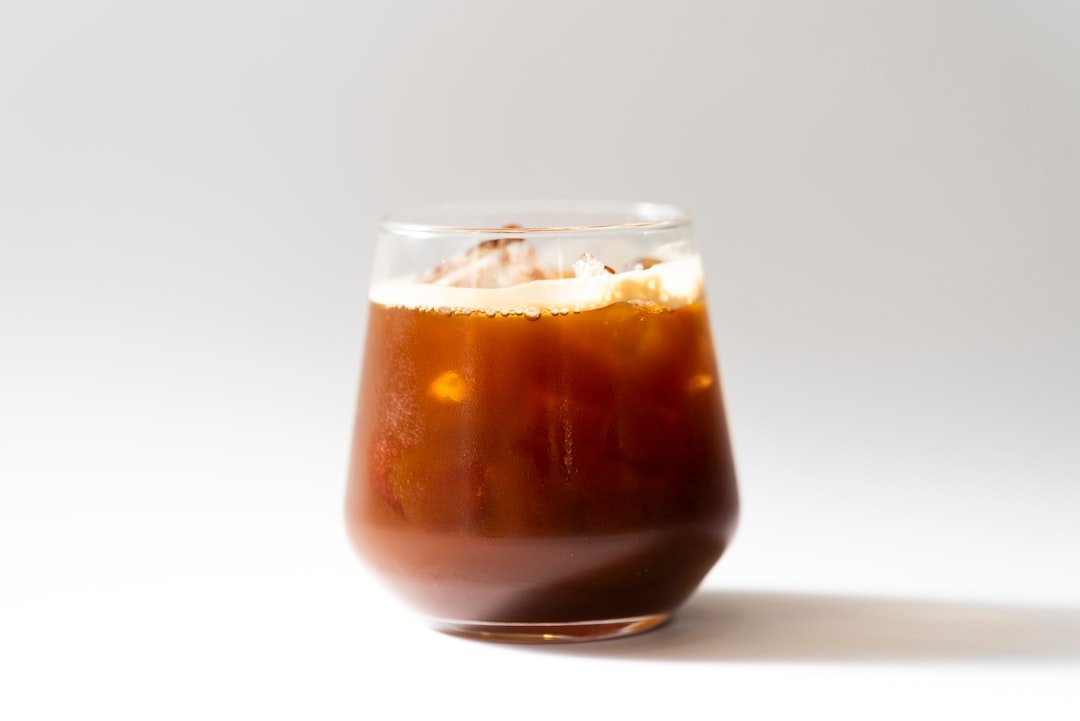
The iced americano is having a very good run right now—and honestly, it was overdue. While half the menu has been busy piling on syrups, cold foams, alt milks, and dessert-level drama, the iced americano just shows up cold, sharp, and unapologetically coffee-forward.
No fuss. No sugar rush. No dairy blanket.
Just espresso, water, ice, and the quiet confidence of a drink that doesn’t need a costume change.
For a long time, the cold americano had a strange reputation. It was the thing you ordered if you were “being good,” or trying to look serious, or somehow lost a head-to-head with an iced latte. Meanwhile, café menus kept expanding into a cinematic universe of layered drinks that look incredible for exactly eight seconds on camera. Fun, sure. But eventually, a lot of people started craving something cleaner.
That shift isn’t random. Cold beverages are driving major traffic in coffee retail, especially later in the day, and espresso-based iced drinks are now a real center of menu development—not just the backup order for the one person in line wearing black and reading tasting notes for sport. Starbucks said in May 2026 that it was seeing growth in afternoon visits fueled by cold beverages and new menu items, which tells you something useful: people want refreshing caffeine, but they also want nuance, flexibility, and drinks that make sense in the middle of an actual workday.
This is not a campaign against milk, to be clear. We’re Italian, not unwell. An iced latte can be great. A hojicha latte absolutely has a time and place. An espresso macchiato, when it’s done right, is basically a tiny act of poetry. But the iced americano feels especially current because it fits the mood: cleaner, faster, sharper, less heavy, more coffee.
And sometimes the coolest order is the one with nothing to hide.
What is an iced americano?
An iced americano is espresso diluted with cold water and poured over ice. It tastes more coffee-forward than an iced latte, lighter than straight espresso, and different from cold brew because it starts with freshly pulled espresso rather than coffee steeped for hours in cold water.
That’s the whole thing. It’s not the same as iced coffee, and it’s definitely not cold brew. The result lands lighter than straight espresso but more coffee-led than an iced latte, because there’s no milk stepping in to soften the shot.
Simple build. Big personality.
At its core, a cold americano is just three things:
- freshly pulled espresso
- cold water
- ice
That may sound too basic to warrant a whole discussion, but the method changes everything. Because it starts with espresso, the drink keeps espresso’s aromatic lift and top-note intensity. You get that immediate coffee perfume, that little flash of brightness at the front of the sip, and a cleaner finish than a lot of people expect from an iced drink.
This is where definitions matter more than coffee people like to admit. According to Starbucks’ 2026 “Coffee Science” explainer, an iced Americano differs from iced coffee and cold brew specifically because it begins with freshly pulled espresso, which affects body, flavor, and finish. Cold brew is steeped for hours in cold water, giving it a smoother, often heavier and lower-acid impression. Iced coffee is generally brewed hot and then chilled or poured over ice. The iced americano, by contrast, is built from espresso first, so it tends to have more aromatic intensity and a more direct espresso identity.
Tiny technical difference. Huge sensory difference.
Here’s the quick comparison:
- Iced americano: espresso + cold water + ice. Clean, brisk, coffee-first.
- Iced latte: espresso + lots of milk + ice. Softer, creamier, sweeter in perception even without added sugar.
- Cold brew: coffee steeped cold for hours. Rounder, heavier, often chocolatey, less sharp.
- Iced coffee: brewed hot, then chilled. Familiar, lighter-bodied, sometimes more straightforward.
If you’ve ever sipped something labeled “iced coffee” and thought, okay, but where did the sparkle go?—that’s the distinction you were picking up on.
An iced americano is for people who want chill and clarity in the same cup. Refreshing, yes. But still unmistakably espresso.
The iced americano isn’t basic—it’s the most honest drink on the menu
Here’s the part that makes people weirdly defensive: milk, syrup, cold foam, and elaborate texture can absolutely make a drink delicious. They can also hide mediocre espresso. An americano cannot. If the shot is flat, bitter, or dull, everybody finds out immediately.
That’s exactly why it isn’t boring.
Ordering an iced americano is a little like ordering pasta al pomodoro in Italy. If the ingredients are bad, there’s nowhere to hide. If they’re great, the simplicity becomes the flex. No glitter. No camouflage. Just confidence.
That’s also why the drink matters culturally right now. Once a format starts getting serious R&D attention, it’s no longer just a niche preference. It means the industry sees momentum there. Case in point: Starbucks launched the Aerocano in 2026 as a new coffee-forward iced espresso drink focused on texture, foam, and espresso character. That’s not the kind of thing a giant company builds unless it believes iced espresso-and-water formats have room to grow.
And that’s the plot twist, really. The “simple” drink is turning out to be one of the more interesting places for innovation.
The Aerocano example matters because it shows brands aren’t only chasing sweetness and add-ins. They’re also exploring what happens when you make espresso texture more dynamic without losing the coffee itself. Foam, aeration, dilution, temperature—suddenly the americano becomes a format, not just a fallback order.
That tracks with what experienced drinkers already know: the best iced americano is not watery punishment. It has structure. The dilution opens the espresso instead of flattening it. Good shots over water and ice can become more expressive, not less.
This is where coffee choice matters. If you’re making one at home, you want something with enough intensity to stay present after dilution. A coffee like MAMA AFRICA makes a lot of sense here, because a more assertive profile—think toasted notes, chocolate, caramel, real depth—doesn’t vanish the second ice enters the chat. It keeps speaking up.
And if your day is moving at the speed of 47 unread emails, something like the Americano Instant sample is the kind of low-drama shortcut a real person actually uses. Quick, coffee-forward, no machine theatrics.
That’s the real appeal of the iced americano: it rewards good coffee instead of distracting from bad coffee.
Why are people ordering iced Americanos instead of iced lattes?
People are ordering iced Americanos instead of iced lattes because they want something lighter, less sweet, and more refreshing that still tastes like real coffee. It fits workdays, hot afternoons, and fast routines better than milk-heavy drinks, while keeping the flavor and caffeine identity of espresso front and center.
There it is.
The iced latte still owns a very specific lane. It’s comforting. Smooth. Textural. It can feel like a soft-focus break in the middle of a hard day. Lovely drink. No complaints.
But an iced americano answers a different mood.
It says:
- I want caffeine, not a dairy event.
- I want refreshment, not a snack in a cup.
- I want to feel more awake, not more tucked in.
That difference is emotional as much as sensory. An iced latte reads as softness. An iced americano reads as clarity. One says “pause.” The other says “keep it moving, but make it good.”
That’s especially relevant for younger professionals, hybrid workers, commuters, and basically anyone whose coffee habits now stretch across the whole day. The afternoon order has changed. It’s not just about maximum caffeine or maximum indulgence anymore. It’s about finding something that wakes you up without making you want a nap 20 minutes later.
That broader shift shows up in retail data too. Starbucks reported growth in afternoon visits in 2026, driven by Refreshers and new menu items, with cold beverages playing a major role. Even though that data covers more than just the iced americano, it supports the wider point: people increasingly want cold, drinkable, repeatable formats later in the day.
And here’s the practical part people forget to mention: Americanos are fast. In a busy café, that matters. Espresso pulls. Water goes in. Ice. Done. When it’s made well, it feels efficient without feeling cheap. For high-volume service, that reliability matters almost as much as flavor.
So yes, some people are swapping an iced latte for an iced americano because they want fewer calories or less dairy. Fair enough. But the more interesting reason is aesthetic in the best way: they want coffee that tastes more like coffee.
If you tend to prefer cleaner espresso flavors, you might also like reading the Americano origin story Italians still find funny, which gives useful context for why this format has always had more character than people assume.
The real competition isn’t cold brew—it’s every softened espresso drink
Cold brew gets framed as the iced americano’s main rival because both are black, cold, and caffeinated. Fair. But the real competition is broader—and more interesting. It’s every drink designed to make espresso gentler, cushier, or more rounded.
That includes the obvious one—the iced latte—but also drinks like the hojicha latte, the espresso macchiato, and even the foam-forward Mediterranean classic, the freddo cappuccino.
Each one does a different job.
Iced latte: comfort in a cup
The iced latte is espresso plus a lot of milk over ice, which makes it softer, sweeter in perception, and more forgiving. It’s a great drink. But it’s also a filtered version of espresso—literally and emotionally. If the iced americano is a tailored blazer, the iced latte is your best oversized sweatshirt.
Hojicha latte: roasted, cozy, tea-first
A hojicha latte isn’t even trying to be coffee, and that’s part of the charm. Hojicha is a roasted Japanese green tea with a toasty, nutty profile and usually less bitterness than coffee. In latte form, it’s mellow, cozy, and softly caffeinated. If you want comfort with a roasted edge but don’t want espresso’s punch, this is your lane.
What’s interesting is that both a hojicha latte and an iced americano can appeal to the same person on different days. One is for when you want gentleness. The other is for when you want definition.
Espresso macchiato: tiny milk, maximum intent
The classic espresso macchiato is basically espresso “marked” with a small amount of milk or foam. It’s concentrated, hot, and ritualistic. Stronger in immediate intensity than an iced americano? Often yes, because the volume is much smaller and the espresso is less diluted. But it’s not really competing in the same refreshment category.
A macchiato is a sharp little punctuation mark. An iced americano is a whole sentence.
Freddo cappuccino: summer texture, Mediterranean energy
Then there’s the freddo cappuccino, a drink with Greek and broader Mediterranean café DNA all over it: iced espresso topped with cold, frothy milk foam. It’s stylish, textural, and very summer-coded. But it’s also more stylized than an americano. More foam, more ceremony, more visual drama.
The sharper point across all of these is simple: when someone chooses an iced americano, they’re usually not choosing less flavor. They’re choosing less interference.
That’s a subtle but important distinction. Milk changes flavor. Foam changes flavor. Tea changes flavor. Sweeteners definitely change flavor. Sometimes that’s exactly what you want. But the americano remains the cleanest expression for people who want refreshment without losing espresso identity.

Why the iced americano works so well in real life, not just coffee discourse
Some drinks mostly live online. They photograph beautifully, trend hard, and then quietly disappear the second a real café has to make 300 of them in a rush. The iced americano is not one of those drinks.
It works in real life.
And there’s good evidence for that from places where coffee service has to be practical, fast, and consistently good. In 2026 reporting around the U.S. men’s World Cup team, both The Washington Post and Sprudge highlighted the role of barista Becky Reeves and noted the prominence of Americanos among frequently ordered drinks in high-volume service environments. That’s not random trivia. It’s a clue.
If a drink keeps showing up where elite athletes, tight schedules, and serious service pressure collide, it’s because the format delivers:
- speed
- consistency
- drinkability
- broad appeal
There’s something satisfying about that. The iced americano doesn’t need trend-cycle hype to justify itself. It sticks because it’s practical. And practicality, in coffee, is underrated. People love talking tasting notes. They talk less about whether a drink still makes sense when the café is slammed and you’ve got four minutes before a meeting.
The americano passes that test.
It’s also quietly one of the most versatile drinks on the menu. You can adjust the water ratio if you want it bolder or lighter. You can pull a different espresso and change the entire personality of the cup. You can drink it in the morning when you want focus, or in the afternoon when you want refreshment without the heft of milk.
And if you’re trying to move away from sweeter coffee orders, the iced americano is a very solid bridge. It doesn’t ask you to leap from caramel-everything straight into espresso monkhood. It gives you dilution, chill, and ease—just with more honesty.
There’s a temperature logic here too that people underestimate. Espresso over ice and water feels immediate. Cold brew can feel dense. An iced latte can feel filling. An americano feels brisk. That’s why it lands so well in hot weather or during long work stretches. It refreshes without reading sugary, and caffeinates without asking for a full emotional commitment.
For home drinkers, the same practicality applies. If you don’t have a full espresso setup—or you do, but your patience before 9 a.m. is limited—the Americano Instant sample fits neatly into this whole appeal. It keeps things straightforward and coffee-led, which is the entire point. No circus. Just cold water, ice, and a good reason to stop settling for sad office coffee.
For a broader look at how chilled espresso drinks compare, iced caffe americano vs cold brew—best pick? is a useful companion if you’re deciding between brisk espresso character and the rounder feel of cold brew.
The takeaway: the iced americano is a taste-level shift
The iced americano feels modern not because it’s trendy, but because it cuts through the overdesigned drink era with something cleaner and more self-assured. That’s the charm. It doesn’t beg for approval. It just tastes like someone knew exactly what they wanted.
And that’s probably why it’s having a moment.
Not everyone wants sweetness all the time. Not everyone wants milk in every cold drink. Not everyone wants coffee that arrives dressed like dessert and leaves like regret. Sometimes you want something with edge, clarity, and enough restraint to let actual espresso do the talking.
If you’re skeptical, there’s an easy test: order an iced americano next to an iced latte. Don’t judge on the first sip alone. Give them five minutes. Then compare:
- aroma
- finish
- refreshment
- texture
- whether it still tastes like coffee
That last one tends to settle the argument.
The iced latte may still win for comfort. Fair. The hojicha latte may still win for mellow roasted vibes. An espresso macchiato may still own the tiny-but-mighty category. A freddo cappuccino may still take the crown for foam and summer flair. But the iced americano has a particular kind of confidence because it asks so little and reveals so much.
If you want to play with it at home, the fun isn’t in loading it up with extras. It’s in experimenting with bean intensity and water ratio. Try a stronger espresso if you want more structure over ice. Try a slightly shorter dilution if you want more bite. Use a coffee that can keep its voice after the chill hits—something like MAMA AFRICA if you like a bolder profile.
Because sometimes taste maturity doesn’t look like adding more.
Sometimes it looks like getting everything unnecessary out of the way.
Frequently Asked Questions
Is a cold americano the same as an iced americano?
Usually, yes. Most cafés use “cold americano” and “iced americano” to mean espresso diluted with cold water and served over ice, though the build order may vary slightly from shop to shop.
What’s the difference between an iced americano and an iced latte?
An iced americano is made with espresso, water, and ice, so it tastes lighter in body and more directly coffee-forward. An iced latte adds much more milk, which makes it creamier, softer, and sweeter in perception.
How does an iced americano compare with a hojicha latte?
An iced americano is sharper, more espresso-led, and usually feels more caffeinated. A hojicha latte is tea-based, roasted, mellow, and gentler, so the choice comes down to whether you want clarity or comfort.
Is an espresso macchiato stronger than an iced americano?
In concentration, yes. An espresso macchiato is smaller and less diluted, so each sip feels more intense, while an iced americano spreads espresso across more water and ice for a longer, more refreshing drink.
Sources
- Coffee Science: Iced Americano, cold brew or iced coffee — what’s the difference? — https://about.starbucks.com/stories/2026/coffee-science-iced-americano-cold-brew-or-iced-coffee-whats-the-difference/
- Starbucks® Launches Aerocano™, a New Coffee-Forward Iced Espresso Experience — https://historias.starbucks.com/en-es/press/2026/starbucks-launches-aerocano-a-new-coffee-forward-iced-espresso-experience/
- Meet the barista who keeps the U.S. World Cup team grounded — https://www.washingtonpost.com/sports/2026/07/01/meet-barista-who-keeps-us-world-cup-team-grounded/
- The Real Resident Barista At The World Cup Is Becky Reeves — https://sprudge.com/the-real-resident-barista-at-the-world-cup-is-becky-reeves-1101622.html
- Starbucks sees growth in afternoon visits, fueled by Refreshers and new menu items — https://about.starbucks.com/press/2026/starbucks-sees-growth-in-afternoon-visits-fueled-by-refreshers-and-new-menu-items/
