
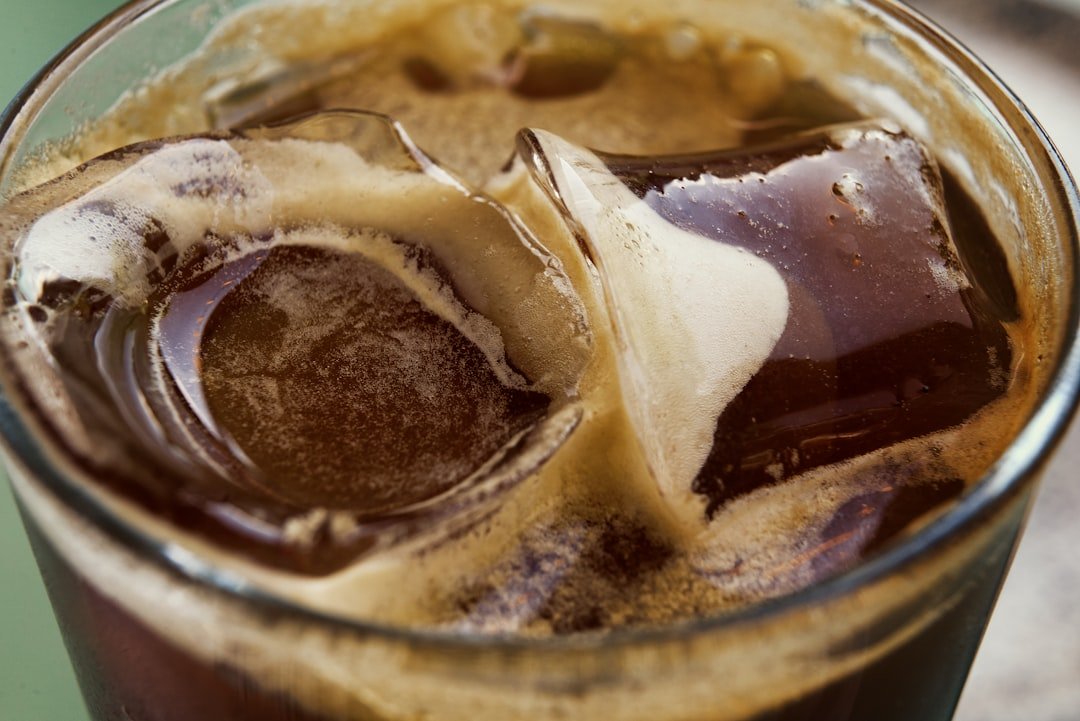
Iced coffee with instant coffee can be far better than its reputation suggests. Most bad iced coffee fails because it is weak, over-diluted, or built with no structure at all, but instant can make a fast, cheap, and genuinely satisfying drink when you treat it like a concentrated base instead of a shortcut.
People love to dismiss instant as lazy, yet it can easily outshine badly made café iced coffee, forgettable office cold brew, and the over-diluted moka pot experiment that sounded romantic until it tasted harsh. Cold coffee is also becoming a bigger part of how people actually drink coffee now: customizable, practical, visual, and quick.
Perfect Daily Grind reports that cold coffee, matcha, and refreshers are reshaping demand, especially among younger drinkers who want drinks that deliver convenience, identity, and texture at once. That matters because the real question is not whether instant coffee is “allowed.” It is whether instant is sometimes the smartest format for fast, flavorful iced coffee at home. Very often, it is.
Can you make good iced coffee with instant coffee?
Yes. Good iced coffee with instant coffee works when you dissolve the coffee in a small amount of water first, keep the base concentrated, then add cold water, milk, and ice in a controlled way. That prevents the drink from turning thin, watery, or flat as the ice melts.
That is the whole trick, and somehow it still gets missed all the time. Instant works especially well on ice for one unglamorous reason: it dissolves fully and fast. There is no grinder, no bloom timing, and no waiting around while your morning gets away from you.
Where people usually ruin it is with too much hot water at the start. Once the base is weak, the ice finishes the job. The flavor collapses, and instant gets blamed for what was really just poor drink structure. If you have ever wondered why your iced coffee tasted like melted coffee-scented water, that is usually the answer.
There is also a common assumption that any cold coffee from a café is automatically better because it came from better equipment. Not necessarily. A Washington Post blind tasting of 10 top-selling bottled iced coffees found huge differences in body, flavor, and balance, which is a useful reminder that cold coffee is a category, not a quality guarantee.
For iced drinks, flavor profile matters more than many people realize. Toasted, chocolatey, and caramel-leaning coffees usually hold up better over ice than delicate floral ones because cold temperatures mute aroma and sweetness. If you want an example of an instant coffee that fits that profile, Americano Instant sample works naturally here because it has the kind of body that survives chilling.
One useful coffee note: cold temperatures dull your perception of sweetness and aroma. That means a coffee that tastes balanced hot can taste strangely quiet cold unless it starts stronger than you expect. Good iced coffee is built, not merely cooled.
Instant coffee is having a quiet comeback—and iced drinks explain why
Instant coffee used to signal compromise. Now it often signals efficiency.
That shift did not happen because people suddenly became nostalgic for granules. It happened because convenience stopped being embarrassing and started counting as part of quality. If a coffee fits between meetings, commuting, workouts, and whatever else your day is trying to throw at you, that matters.
Perfect Daily Grind notes that cold coffee, matcha, and refreshers are helping reshape beverage demand, especially among younger consumers who want drinks that feel personal as much as they taste good. That sounds abstract until you look at how people actually order coffee now: custom milk, custom sweetness, custom ice, custom foam, and strong opinions about presentation.
The broader market supports that shift. According to the 2026 NCA/SCA Specialty Coffee Report, summarized by Daily Coffee News, 47% of Americans drank specialty coffee in the past day, compared with 42% who drank traditional coffee. Weekly specialty consumption reached 58%, up 10 percentage points since 2021. Cold formats are part of that mainstream movement.
The bigger takeaway is that people are less attached to one “correct” brew method than they used to be. If the drink tastes good, feels a little special, and delivers caffeine without unnecessary friction, most people do not care whether it started in a portafilter, a pod, a can, or a spoonful of instant.
Iced drinks changed the rules. Hot coffee invites endless talk about extraction variables. Iced coffee shifts the priorities toward concentration, consistency, dilution control, and speed. Instant happens to be unusually good at all four.
That is the comeback in one line: instant stopped trying to be everything and got very good at a few specific jobs. One of those jobs is making cold coffee with instant coffee that tastes intentional instead of improvised.
If you are interested in how cold formats differ more broadly, cold brew vs iced coffee is worth reading because many people still treat them as interchangeable when they are not.
Why instant often beats cold brew for weekday iced coffee
Here is the mildly controversial take: cold brew is a little over-romanticized for home use.
Yes, cold brew can be smooth and lovely. Its mellow, low-acid profile has a lot going for it. But it also asks for planning, fridge space, filtration, and a willingness to commit to a batch. That is great if you are organized. Not everyone wants to start a 14-hour brew cycle on a weeknight.
Instant, by contrast, is ready in under two minutes. It is consistent, equipment-free, and ideal when you want exactly one drink right now. There is no concentrate to store and no cleanup beyond a spoon and a glass.
Even the industry is trying to solve cold brew’s slowness. Daily Coffee News reported on BrootLegg Extracts, a company using high-pressure extraction systems to produce ready-to-drink cold brew in 45 minutes instead of relying on long immersion times. That alone tells you the traditional process has real convenience limits.
For weekday use, the comparison is simple:
- Instant: under 2 minutes, consistent, no grinder, no filtration, no batch commitment
- Cold brew: smoother and often lower in perceived acidity, but slower and less flexible
- Leftover moka pot over ice: aromatic and intense, but more likely to turn harsh if it was not brewed specifically for chilling
Cold brew still has a place. If you want batch prep and a mellow profile all week, it can be excellent. But for one drink on a random Tuesday, instant is often the more rational choice.
That is what many people are really asking when they search for cold coffee with instant coffee. They are not asking for permission to make a worse drink. They are asking for the fastest route to a drink that still feels deliberate.
Cold brew’s smoothness can even be a drawback if you like contrast. Some iced coffees benefit from a little edge: cocoa bitterness, toasted depth, and a sharper coffee line that can cut through milk and sweetener. Instant, especially in darker or chocolate-forward profiles, can deliver that more clearly.
For a more direct comparison between chilled styles, iced caffè Americano vs cold brew offers another useful lens on how concentration and dilution change the final drink.
The real trick is structure: build it like a drink, not a backup plan
Most bad iced instant coffee is doomed before the first sip because it was assembled like an afterthought. The better approach is to think in sequence.
Start by dissolving the instant coffee in a small amount of water. Small means concentrated: just enough liquid to fully dissolve the coffee and create a strong base. If you want sweetener, add it here while the liquid is warm so it blends properly instead of sinking to the bottom.
Then cool the base with cold water or milk. After that, add enough ice to chill the drink without letting dilution erase the flavor. Too much ice is one of the easiest ways to sabotage the cup. It feels refreshing for a moment, then tastes like a memory of coffee.
Flavor matters more over ice than most people expect. Cold temperatures mute aroma and sweetness, so iced coffee needs stronger edges such as chocolate, caramel, toasted nuts, or gentle bitterness to stay expressive. A delicate coffee that shines hot can go oddly flat once chilled.
People also compare iced coffee methods as if they solve the same problem, but they do not:
- Espresso macchiato: a small hot espresso drink marked with a little milk foam, built around concentration and contrast rather than refreshment
- Moka pot: dense, aromatic, and pleasantly bitter when done well, but more vulnerable to harshness if over-extracted or dumped over ice without a plan
- Instant: repeatable, forgiving, and less prone to user error because it removes grind size, extraction timing, and temperature variables
That last point matters because a lot of coffee frustration is really variable frustration. Grind a little too fine and the cup turns bitter. Brew too long and it turns muddy. Iced coffee is already balancing dilution and temperature, so removing extra variables is a real advantage.

A side-by-side visual works well here: instant iced coffee, cold brew over ice, and iced moka pot, with quick notes on strength, prep time, and flavor profile. Sometimes “2 minutes versus overnight” settles the debate immediately.
Milk changes everything too. A coffee that tastes bold on its own can disappear the second dairy or oat milk enters the glass. That is another reason concentrated instant works so well. You can adjust the strength before the milk arrives instead of hoping the brew survives it.
If you want a simple blueprint, think in ratios rather than guesswork:
- strong instant base
- optional sweetener while warm
- cold water or milk for body
- ice as a cooling tool, not filler
That one shift is what makes iced coffee with instant coffee taste designed instead of accidental.
Moka pot nostalgia is cute—but instant is sometimes the smarter move
There is a certain kind of coffee conversation that treats the moka pot as automatically superior. As if more equipment means more virtue. As if stovetop effort guarantees a better result. It is a charming idea, but effort is not flavor.
The moka pot absolutely deserves respect. It can make a hot cup that is dense, aromatic, and deeply satisfying, especially if you like that classic bittersweet profile. But for iced coffee, it can also become tricky. Brew it too far and bitterness spikes. Cool it badly and the flavor turns sharp. Pour it over too much ice and the whole thing loses balance.
The more practical point is that different tools suit different moments:
- Reach for a moka pot when you want a hot, concentrated, aromatic brew and enjoy the process.
- Reach for iced instant coffee when you want speed, dilution control, and no risk of over-extracted stovetop bitterness.
That is not sacrilege. It is simply choosing the right tool for the drink you actually want. If your memory of instant coffee is still stuck in the dusty, stale era, fair enough. Not every instant coffee deserves a revival. But stronger modern options make this conversation much easier to take seriously.
Americano Instant sample makes sense here because it shows why instant does not have to taste flat to work over ice. In chilled drinks, chocolate and caramel notes carry especially well, and that matters more than romantic equipment stories.
The quiet flex in modern coffee is not doing the most. It is knowing when less equipment gives a better result. For iced coffee, that is true more often than many people want to admit.
A simple method for better iced instant coffee every time
If you want a repeatable home method, keep it straightforward. Use 1 to 2 teaspoons of instant coffee, dissolve it in a small splash of warm water, add sweetener if you want, then pour in cold water or milk and finish with ice. Taste once, then adjust strength before adding more ice.
If the drink tastes flat, the base was probably too weak. If it tastes sharp, reduce the coffee slightly or add a little more milk. If it tastes watery after a minute, you likely used too much ice or too much starting water.
This is also why instant is so forgiving for experimentation. You can make it black, creamy, lightly sweet, heavily iced, or somewhere in between without wasting beans or committing to a whole batch. That flexibility is a real advantage over both cold brew and moka pot routines.
The best home iced coffee is not the one with the most elaborate method. It is the one you can make well, repeatedly, without turning your kitchen into a lab before work. Try one week of properly built instant iced coffee against one batch of cold brew or one iced moka pot routine. The winner is whichever glass disappears first.
Frequently Asked Questions
Is cold coffee with instant coffee the same as cold brew?
No. Instant cold coffee is made by dissolving brewed-and-dried coffee solids in water, while cold brew is extracted directly from grounds over time. Cold brew is usually smoother and slower, while instant is faster and more direct.
Can a moka pot make good iced coffee?
Yes, but it needs a short, concentrated brew and careful dilution. If you brew a bitter moka pot and pour it straight over ice, it can turn sharp quickly, so it is less forgiving than instant.
What’s the difference between iced coffee and an espresso macchiato?
An espresso macchiato is a small hot espresso drink marked with a little milk foam. Iced coffee is a longer, colder drink built for refreshment, usually with more water, milk, or ice.
Is Italian moka coffee better than instant for iced drinks?
Not automatically. Italian moka can be richer and more aromatic, but instant is often easier to balance over ice and more consistent from day to day.
Sources
- What’s the best iced coffee? We tried 10 top-selling bottles to find a winner. — https://www.washingtonpost.com/food/2026/07/31/whats-best-iced-coffee-we-tried-10-top-selling-bottles-find-winner/
- Cold coffee is driving sales, but cafés need to create unique, signature drinks — https://perfectdailygrind.com/2026/06/cold-coffee-matcha-unique-signature-drinks/
- Bootstrapping BrootLegg Extracts Launches High-Pressure Cold Brew Production — https://dailycoffeenews.com/2026/07/23/bootstrapping-brootlegg-extracts-launches-high-pressure-cold-brew-production/
- Review: Coffee Sustainability Research is Growing but Fragmented — https://dailycoffeenews.com/2026/07/15/review-coffee-sustainability-research-is-growing-but-fragmented/
- Specialty Coffee Holds Lead Over Traditional Coffee in the U.S. — https://dailycoffeenews.com/2026/06/02/specialty-coffee-holds-lead-over-traditional-coffee-in-the-u-s/
