
Let’s be honest: eco friendly coffee makers are often marketed with more style than substance. What actually matters is what happens every morning after you press brew: how much waste the machine creates, how much energy it uses, how long it lasts, and what kind of coffee system it locks you into.
Most people shop for an environmentally friendly coffee machine the same way they’d shop for a reusable bottle—materials, aesthetics, and a few bold claims on the label. But coffee is a system, not an object. The brewer matters, sure, but the bigger footprint often comes from everything around it: pods, filters, packaging, sourcing, maintenance, and the habit of replacing a machine the second it starts acting up.
What makes eco friendly coffee makers actually eco friendly?
Eco friendly coffee makers reduce impact across the full brewing routine. The best ones use less energy and water, last for years, create less daily waste, and work with coffee formats that avoid plastic or aluminum trash where possible. In short, the machine matters, but the system around it matters more.
That’s the part a lot of green marketing skips. A coffee maker does not exist in a vacuum. It exists in your kitchen, on your schedule, with your habits, your local waste system, and your tolerance for maintenance before caffeine. The real question is not just what the machine is made from. It is what the machine makes you consume, discard, and replace over time.
That systems view is backed by research. A 2026 review covering 137 peer-reviewed publications from 2000 to 2024 found that coffee sustainability research is expanding, but remains fragmented across themes like consumer behavior, packaging, traceability, and byproduct reuse. If the research itself says coffee sustainability is complex, then any machine claiming to be green because of one feature deserves a closer look.
How different brewing formats compare
Traditional drip and filter systems
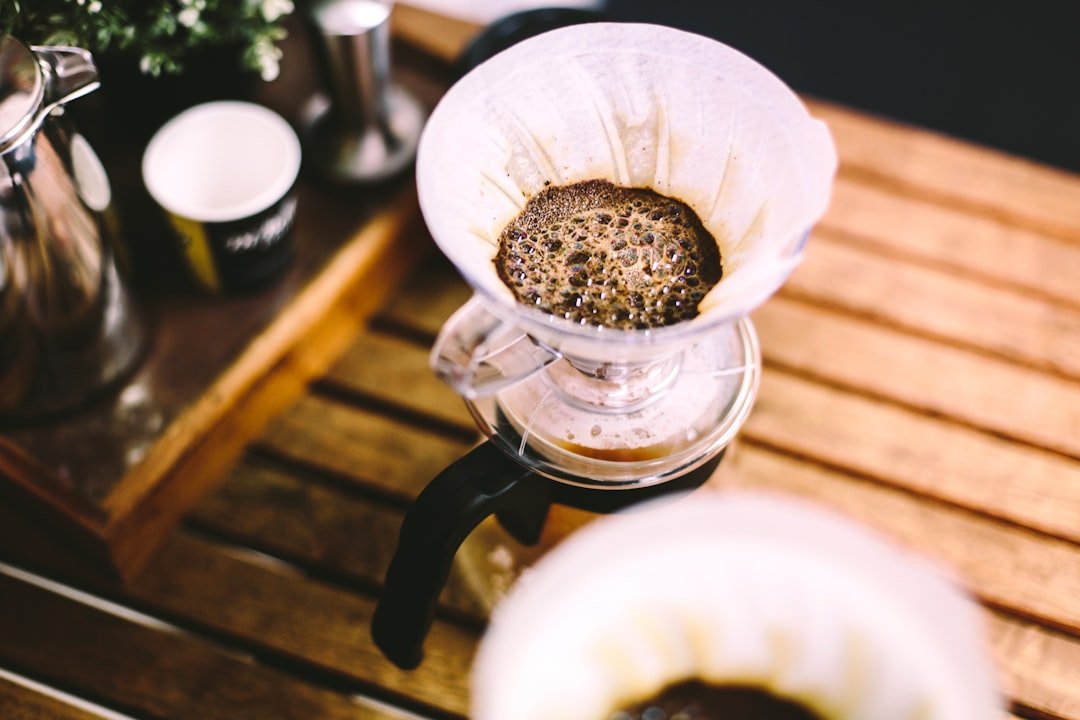
These are the low-drama classics. They are usually simple, durable, and relatively low-waste, especially if you use a reusable filter or compost paper filters. Their weakness is overbrewing. If you make a full pot, drink one mug, and leave the rest on a hotplate, the waste adds up fast.
The hotplate matters too. A machine that keeps coffee warm for hours can quietly use more energy than people expect. A thermal carafe is often the smarter option because it keeps coffee hot without drawing constant power and usually preserves flavor better. If you want to improve your home setup further, why home coffee tastes different than your café is a useful companion read.
Bean-to-cup automatics
These machines can reduce disposable waste because they use whole beans instead of pods or paper filters. That is a real advantage. But they are also more complex, contain more components, and can be expensive to repair. If one small internal part fails and the whole machine becomes e-waste, the sustainability case weakens quickly.
A bean-to-cup machine can still be a smart choice if you use it for years, maintain it properly, and genuinely need its convenience. Longevity is what makes the math work. If it spends half its life in a service center, not so much.
Single-serve systems
This category gets judged hard, and often for good reason. Single-serve convenience has long meant plastic or aluminum waste with unclear end-of-life outcomes. But the format itself is not automatically the problem. A one-cup system can reduce overbrewing and liquid waste, especially for solo drinkers, if it uses lower-waste formats like compostable fiber capsules or plastic-free tablets.
That is why the most sensible environmentally friendly coffee makers are not always the most performative ones. They are the ones that balance durability, right-sized brewing, and a lower-waste coffee format. If you are comparing convenience styles, capsule coffee has gotten good: here’s why now adds helpful context.
The machine is only part of the coffee system
The biggest sustainability mistake is not necessarily owning a pod machine. It is owning a machine tied to a waste-heavy format with no realistic end-of-life path.
That is why this category is getting more interesting. According to Daily Coffee News, Lavazza launched its Tablì brewer with plastic-free coffee tablets made of compressed ground coffee, with no plastic capsule, no individual wrapping, and no coating. The same report notes that Keurig introduced a plastic- and aluminum-free tablet concept now called AltaRounds. Those launches matter because they show that even the biggest convenience brands are moving beyond the old pod model.
Single-serve still has one sustainability advantage people dismiss too quickly: portion control. If you live alone or only drink one cup in the morning, a one-cup system can reduce liquid waste compared with brewing a larger batch and pouring stale coffee down the drain. When brewed coffee gets dumped, you waste the beans, the water, the energy, and the packaging that brought it there.
So the conversation is not as simple as manual good, convenience bad. A French press used carelessly can be wasteful. A single-serve machine used thoughtfully can be efficient. The real issue is what format the machine requires and whether that format has a credible lower-waste path.
That is why compostable capsule systems matter more than they used to. A product like MAMA AFRICA or RISERVA PREMIUM fits a better single-serve direction because the capsules are made from fully compostable vegetable fiber, not plastic or aluminum. It is not a perfect solution. It is simply a smarter version of convenience.
Why packaging alone does not decide sustainability
A plastic-free pod is good. A compostable capsule is better than a plastic or aluminum one. But neither makes your coffee ritual sustainable on its own if the machine is flimsy, power-hungry, impossible to clean, or likely to fail right after the warranty ends.
Visible packaging fixes get attention because they are easy to understand. You can hold them, sort them, and feel like progress is happening. But coffee sustainability is much bigger than what lands in your hand at 8 a.m.
That broader critique appears in Daily Coffee News coverage of the 2026 Coffee Barometer, which argues that many sustainability tools and claims across the coffee sector still have not solved structural problems for producers. Better packaging does not excuse a shallow sustainability story. It just means the packaging improved.
That is where appliance choice and coffee sourcing overlap more than people expect. If a machine locks you into cheap, anonymous coffee with no transparency, that is part of the equation too. A lower-waste brewer paired with opaque sourcing is only a partial win. You want less trash and better accountability.
The European Commission’s move to add soluble coffee to the EUDR product list reinforces the same point. Even processed coffee formats are increasingly being judged on sourcing accountability, not just convenience or packaging. Sustainability claims are moving upstream.
So where does organic coffee fit? It can absolutely be part of a stronger setup, especially when it comes with traceability and responsible production practices. But organic is not a shortcut around a wasteful machine system. If your brewer burns through landfill-bound capsules and dies every two years, the organic label does not cancel that out.
The same goes for Peruvian coffee. It can belong in a meaningful sustainability story when it is traceable and paired with a lower-waste brewing format. People search for organic Peruvian coffee for good reason: origin and growing methods do matter. But origin alone is not a halo. Sustainability depends on how coffee was grown, traded, processed, packaged, and brewed.

That is the real shift: stop judging sustainability only by what is most visible. The pod matters. The box matters. The machine matters. The sourcing matters. The replacement cycle matters. Coffee insists on being a whole system.
The new flex is reliability, not gadget drama
For many shoppers, there is a very specific temptation in the coffee aisle: buy the sleek machine that promises a café moment every morning and looks perfect on the counter. Fair enough. But the most sustainable coffee maker is often the one that survives years of daily use without needing a firmware update, a proprietary cleaning ritual, or a support ticket.
Durability beats novelty. Every time you replace a coffee maker, there are hidden environmental costs in that decision: materials extraction, manufacturing, shipping, packaging, and disposal. People count pod waste because they see it every day. They rarely count machine turnover because it happens less often. It still counts.
Repairability matters too. Can you descale it easily? Are replacement parts available? Is the water tank simple to clean? Does the machine have a straightforward mechanism, or was it designed to be replaced instead of repaired? These are not glamorous questions, but they are some of the most important ones.
Then there is sizing. If you live alone, a giant 12-cup machine may just create stale leftovers. If two people in your home drink espresso-style coffee all day, a tiny manual setup may not be practical. Right-sized brewing is sustainability hiding in plain sight. The best machine is not the most virtuous one in theory. It is the one that matches how you actually drink coffee.
That practical mindset shows up across the industry too. Daily Coffee News reported on Mother Parkers expanding into coffee extract manufacturing with a focus on practical, scalable systems and operational simplicity. Different category, same lesson. Coffee innovation is moving toward formats that reduce friction and work consistently in real life.
Because here is the truth no box says out loud: if the sustainable option is so annoying that you stop using it, it is not actually the sustainable option. A machine that fits your life usually beats one that only fits your ideals.
How to choose environmentally friendly coffee machines without falling for greenwashing
1. Check the brewing format first
This is the biggest question. Does it use a reusable filter, paper filter, compostable pod, plastic-free tablet, or a traditional plastic capsule with vague recycling claims? Ask what you will physically throw away every day. That one question makes the purchase much more real.
If the answer is one plastic pod every morning forever, that tells you something. If it is a compostable fiber capsule, that is a meaningful improvement. If it is used grounds and maybe a paper filter, that can be a very solid option too.
Compostables still require nuance. They are a real step forward, especially compared with plastic or aluminum, but local composting systems vary. Some people have municipal compost, some have backyard compost, and some have no practical composting option at all. Check what the brand says and what your local system can actually process.
2. Ask how long the machine is likely to last
Read beyond the front-of-box promises. Look for warranty length, repair options, part availability, descaling support, and whether the machine has a reputation for lasting more than a couple of years. Longevity is one of the strongest sustainability features a coffee maker can have.
3. Match the machine to your real habits
Be honest about how you drink coffee. If you drink one cup a day, do not buy a machine built for a big household. If you need speed and repeatability because your mornings are chaos, choose convenience without signing up for a waste-heavy format. Sustainability works best when it aligns with behavior instead of fantasy.
4. Make sure you can choose better coffee
A good machine should not trap you in generic, anonymous blends if you care about sourcing. Whether you are interested in organic coffee, traceable origins, or a specific flavor profile, flexibility matters.
For people who want single-serve convenience without the old-school pod guilt, compostable capsule coffees like RISERVA PREMIUM offer a more future-facing route. And if you care about origin, the conversation around Peruvian coffee becomes more meaningful when the brewing format itself is not undermining the effort.
5. Look for specific claims, not earthy aesthetics
Real sustainability claims tend to be concrete. Materials are named clearly. End-of-life instructions are explained. Sourcing is discussed with detail. Sometimes there are tangible partnerships or measurable commitments.
If a brand tells you a machine is eco-friendly because it comes in recycled cardboard and uses a calming leaf logo, that is not proof. That is set design.
A smarter coffee setup beats a greener-looking machine
The takeaway is simple: do not shop for the greenest-looking machine. Shop for the least wasteful habit. The best eco friendly coffee makers are durable, appropriately sized, easy to maintain, and paired with a brewing format that reduces daily waste. Add better sourcing on top of that, whether through organic coffee, traceable Peruvian coffee, or both, and the sustainability story gets much stronger.
Perfection is not required. A smarter system is. If your setup creates less waste, lasts longer, and makes it easier to brew coffee you actually finish, you are already making a better choice than most of the marketing in this category would suggest.
Frequently Asked Questions
What are eco friendly coffee makers?
Eco friendly coffee makers are brewers that reduce waste and resource use over time. The best options combine low daily waste, reasonable energy use, durability, and a brewing format that avoids landfill-heavy consumables where possible.
Are environmentally friendly coffee machines better than pod machines?
Not always. Some environmentally friendly coffee machines use reusable filters or whole beans and create very little waste, but pod machines can also be efficient if they prevent overbrewing and use compostable or plastic-free formats.
Does organic coffee make a coffee maker more sustainable?
No, not by itself. Organic coffee can improve the sourcing side of your setup, but it does not fix a wasteful machine system, so the strongest choice combines better coffee with a durable, lower-waste brewer.
Is Peruvian coffee a sustainable choice?
It can be, especially when it is traceable, responsibly sourced, and brewed in a lower-waste system. Origin matters, but sustainability also depends on trade conditions, processing, packaging, and the machine you use at home.
Sources
- Lavazza Launches Tablì Brewer with Plastic-Free Coffee Tablets — https://dailycoffeenews.com/2026/06/10/lavazza-launches-tabli-brewer-with-plastic-free-coffee-tablets/
- Review: Coffee Sustainability Research is Growing but Fragmented — https://dailycoffeenews.com/2026/07/15/review-coffee-sustainability-research-is-growing-but-fragmented/
- Inside the 2026 Coffee Barometer, Part 1: Prices Swing, Structures Don't — https://dailycoffeenews.com/2026/07/02/inside-the-coffee-barometer-part-1-prices-swing-structures-dont/
- European Commission Adds Soluble Coffee to EUDR Product List — https://dailycoffeenews.com/2026/07/16/european-commission-adds-soluble-coffee-to-eudr-product-list/
- Mother Parkers Expands Into Coffee Extract Manufacturing — https://dailycoffeenews.com/2026/07/29/mother-parkers-expands-into-coffee-extract-manufacturing/
