

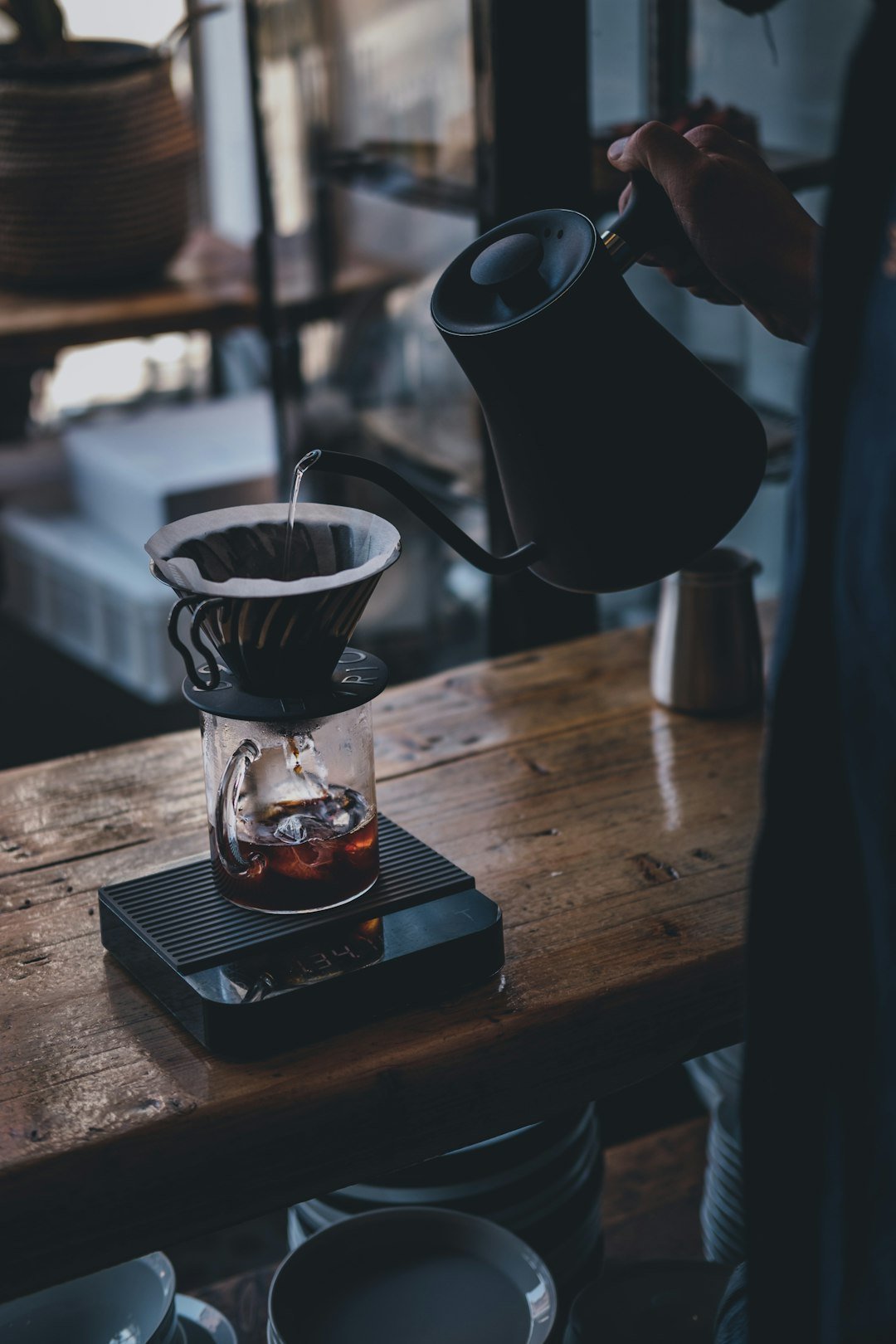
Pour-over has somehow become coffee’s version of performance art. Slow circles. Dramatic steam. A matte-black gooseneck kettle posing on the counter like it pays rent. Very cinematic. Very “I absolutely own a linen shirt.” But the pour-over technique that barista champions actually use? Way less dreamy. Way more controlled extraction protocol, with a healthy amount of nerdery.
That’s the first myth to retire: elite pour-over is not about vibes. It’s not about free-pouring until the coffee gods whisper, yes, that feels right. In competition settings like the World Brewers Cup, the best brewers in the world are doing something much closer to repeatable systems design than ritual. They obsess over a few variables that have wildly outsized impact on the cup: grind distribution, water chemistry, pour height, agitation, filter behavior, and temperature stability. The kettle matters, sure. Just not because it looks good next to your olive oil.
What separates champions from the average Instagram brewer usually isn’t just gear. It’s their refusal to leave things to chance. They’re trying to remove chaos so the coffee can show up clearly. Fewer uncontrolled variables. More intentional extraction. That’s the whole movie.
So if you came here for another “pour in circles and bloom for 30 seconds” guide, tiny warning: this is not that. We’re going past the aesthetic and into the decision-making that actually shapes high-level brews. Because the best pour-over technique isn’t some magic wrist flick. It’s a way of thinking.
Stop Romanticizing Pour-Over — Champions Aren’t Winging It, They’re Running a Controlled Extraction
Home coffee culture loves the myth that great pour-over comes from intuition. A little spiral here, a little swirl there, maybe a thoughtful stare out the window while the brewer drips. Cute. Also not the full story.
At the top level, brewers are trying to control extraction with as little noise as possible. Extraction, to keep it simple, is just water dissolving stuff from coffee grounds: acids, sugars, aromatics, bitters, body compounds, the whole cast. The problem is that coffee is annoyingly complex. Tiny shifts in grind size, water mineral content, turbulence, or slurry temperature can push a cup from bright and sweet to flat, harsh, or weirdly hollow.
That’s why champion brewers don’t treat pour-over like performance art. They treat it like a set of linked variables. One thing you see again and again in competition routines is repeatability. If the cup tastes amazing once but you can’t reproduce it, that’s not mastery. That’s luck in a nice apron.
Here’s a detail that tends to make people pause: even the exact way water hits the coffee bed changes extraction patterns in a meaningful way. Pour from higher up and you increase turbulence and disturb the bed more. Pour closer to the coffee and you usually reduce agitation. That one physical choice can affect fines migration, drawdown speed, and perceived clarity. So no, the kettle theatrics are not just for the camera.
The Specialty Coffee Association, through its brewing and sensory education, has long emphasized the relationship between brew variables and flavor outcomes instead of one-size-fits-all recipes. That’s also how competition brewers talk. Not in terms of “the best method,” but “the method that produced the target cup from this coffee.” That distinction matters more than a lot of home-brewing guides let on.
And yes, expensive gear can help. Better grinders usually produce more uniform particles. Better kettles can keep flow steadier. Better scales let you stop eyeballing things like an overconfident nonna making pasta. But gear only matters if it reduces uncertainty. Champions aren’t buying precision tools to look superior online. They’re buying consistency.
The real lesson is almost annoyingly practical: if you want better coffee, stop asking “what recipe won?” and start asking “what variables were they controlling, and why?” If you want a useful comparison point for how tightly pros think about extraction, this breakdown of espresso extraction time shows the same mindset in a different brewing format.
The Real Champion Playbook: Build the Cup Backwards From Flavor, Not From a Viral Recipe
This is where pros start to feel a little unfair. They usually don’t begin with a ratio they found on Reddit and hope destiny takes the wheel. They start with a sensory target.
Maybe they want laser clarity and jasmine-like florals. Maybe they want a juicier cup with sparkling acidity. Maybe they’re after syrupy sweetness and more structure. Once they know the destination, they build the recipe backward.
That means the pour-over technique that barista champions actually use is less “copy this formula” and more “pick a flavor goal, then tune the variables that get you there.”
Here’s how that often plays out:
Finer grind + lower agitation for sweetness and structure
A finer grind increases surface area, which can boost extraction. That can mean more sweetness and a denser, more complete cup if the brew stays controlled. But pair a fine grind with aggressive pouring or too much stirring and you can push fines downward, slow the drawdown, and pull bitter, drying compounds. So a lot of competitors only go finer if they can keep agitation disciplined.
That’s a subtle point many home brewers miss: finer doesn’t automatically mean harsher. Sometimes it means sweeter, as long as the brew stays calm enough to remain balanced.
Coarser grind + staged pours for clarity
If the goal is flavor separation, a slightly coarser grind combined with deliberate pulse pours can preserve clarity. You may get more distinction between fruit, floral, and sugar-browning notes instead of one blended “coffee-ish” impression. This can work especially well with washed coffees known for elegance.
The tradeoff? Go too coarse and the cup can feel thin or underdeveloped. Clarity and emptiness are not the same thing, even if the internet occasionally acts like they are.
Hotter water for dense or light-roasted coffees
Lighter roasts and high-density beans are often harder to extract. Hotter water can help unlock sweetness and complexity that lower temperatures leave behind. Research and industry practice both support the idea that brewing temperature affects extraction yield and flavor balance. Many pros will push temperature upward for coffees that otherwise taste tight, sour, or underwhelming.
Slightly lower temperature to preserve delicate aromatics or tame bitterness
On the flip side, some coffees become more expressive with a slightly lower brew temperature, especially if they have fragile aromatics or if bitterness is starting to creep in. This isn’t a cheat code. It’s a balancing act.
And here’s the part that surprises people: many champion-style brews use less agitation than enthusiastic home-brewing habits. Not more. The average home brewer often overdoes the swirling, stirs the bloom like they’re making risotto, and pours with enough force to reorganize the coffee bed’s entire social hierarchy. Champions tend to be more restrained. They wet the coffee thoroughly, manage turbulence carefully, and intervene only when there’s a reason.
That’s why simplistic guides usually disappoint. They pretend every coffee wants the same treatment. It doesn’t. An Ethiopian washed coffee and a deeply sweet Colombian lot may respond very differently to the same ratio, same dripper, same filter, same pour pattern. The “best” technique is contextual. Champions know that. A lot of home-brewing content acts like admitting this would ruin the thumbnail.
What They Actually Do During the Brew: Fewer Heroic Spirals, More Intentional Pulses
Watch enough competition routines and a pattern starts to show up. Not universal rules, but common habits. And almost all of them are more restrained than social media would have you believe.
A champion-style brew often looks something like this:
- A measured bloom that fully wets the grounds
- One to three controlled pulse pours
- Minimal but strategic agitation, usually only to level the bed or settle stray grounds
That’s it. No kettle ballet. No endless circular flourish. No “trust your energy.”
The bloom is about saturation, not superstition
The bloom phase exists to wet the grounds evenly and let trapped gas, mostly carbon dioxide, escape. Fresh coffee releases more gas, which can repel water and interfere with extraction. But bloom time is not sacred scripture. Thirty seconds is common, not holy.
A fresher coffee might benefit from a longer bloom. An older coffee may not need much time at all. Some brewers add a small swirl to ensure complete saturation. Some don’t. The point is not honoring the ritual. The point is getting the coffee evenly wet without creating unnecessary turbulence.
Pulse pours help control slurry depth and contact time
This is one of the more useful champion habits to steal. Instead of one continuous pour from start to finish, many high-level brewers break the brew into pulses. Why? Because pulse pouring lets them manage the slurry—the mix of water and coffee grounds—more precisely.
By controlling slurry depth, they can influence extraction dynamics and drawdown speed. A shallower slurry may reduce excessive agitation. A carefully timed next pulse can keep extraction active without flooding the bed. It’s a way to guide the brew, not bully it.
And yes, this can improve both clarity and sweetness when done well. That’s not magic. It’s fluid dynamics and extraction management wearing a very tasteful apron.
Pour low, pour steady
One practical detail shows up again and again: pour close to the coffee bed. Lower pour height generally reduces turbulence. Less turbulence means less random bed disruption and less fines migration. That keeps the brew cleaner and more predictable.
Flow rate matters too. Champions usually aim for a steady, repeatable stream rather than dramatic changes in speed. It’s not flashy, but it works. Coffee rewards consistency with a kind of brutal honesty.
Center pours vs tight spirals
A lot of brewers use center-focused pours or very tight spirals, depending on dripper geometry and the result they want. Broad, aggressive circles can wash fines to the edges and contribute to uneven extraction. Tight pours can keep water interaction more controlled.
The exact choice depends on the brewer, filter, coffee, and intended cup profile. That’s the point. The move is chosen for a reason.
The classic home-brewer mistake is copying the shape of the pour without understanding the purpose. Fancy circles are not a flavor strategy. They’re just circles.

If you were turning this into a visual, the useful diagram would be simple: bloom volume, pulse timings, low pour height, and where agitation is happening versus where it’s being avoided. That would help most brewers more than another moody video shot at 0.5x speed.
The Unsexy Stuff That Wins Cups: Water Chemistry, Filter Choice, and Grind Uniformity
Here’s the spicy take: water often matters more than the dripper arguments people love having online.
That whole V60 versus Kalita versus flat-bottom versus cone debate? Fun, sure. But if your water is chaotic, your grinder throws fines like confetti, and your filter flows differently every bag, your dripper is not the main character.
Water chemistry changes extraction and flavor perception
Coffee is mostly water, which sounds obvious until you remember not all water behaves the same way. The minerals dissolved in brewing water affect extraction efficiency and how flavor is perceived in the cup.
The SCA has published water standards for coffee brewing, and water chemistry experts like Maxwell Colonna-Dashwood and Christopher Hendon helped popularize a key idea in specialty coffee: mineral balance influences whether acidity pops, sweetness rounds out, or delicate aromatics get flattened.
A quick version:
- Softer water can highlight acidity and florals, but may under-extract more easily.
- Harder water can extract more aggressively, but can mute nuance and flatten delicate notes.
- Balanced brewing water is often ideal, which is why many pros don’t just use whatever comes out of the tap.
That’s your “wait, really?” moment if you’ve been blaming your brewer for a problem your faucet created.
Filter paper absolutely matters
Filter choice is not just paper being paper. Different filters affect flow rate, oil retention, fines migration, and mouthfeel. Thicker papers often produce cleaner cups because they trap more fines and oils. Faster filters may increase clarity and speed, but can also require recipe adjustments so the cup doesn’t under-extract.
So yes, changing filter brand can alter your brew enough that your old recipe stops working. Mildly rude. Completely true.
This is one reason some brewers rinse filters very thoroughly and stay loyal to a specific paper. They’re not being precious. They’re protecting consistency.
Grind uniformity is the silent hero
If there’s one upgrade that regularly improves pour-over more than buying a new dripper, it’s a better grinder. High-quality grinders produce a narrower particle distribution, meaning fewer ultrafine particles and fewer oversized boulders. That matters because fines over-extract quickly and can clog filters, while boulders under-extract and leave the cup tasting thin or sour.
Too many fines can create bitterness, astringency, and stalled drawdowns. Too much inconsistency means your brew is fighting itself. Part of it is over-extracted. Part of it is under-extracted. Your palate gets the argument.
A lot of “my pour-over got better overnight” stories are really water, filter, or grinder stories disguised as technique stories. People think they found a mystical pouring pattern. More often, they switched to cleaner water, better paper, or a grinder that stopped making dust.
Not sexy. Very effective. If you also brew immersion coffee, you’ll notice the same consistency-first logic in this guide to AeroPress vs French Press for daily use, where grind and filtration shape the cup as much as the brewer itself.
The Most Common Home-Brewer Mistakes — and Why Champions Avoid Them Like Bad Office Coffee
You know the office coffee that tastes like it was brewed during a budget meeting and left on a hot plate until morale collapsed? Champions spend their whole routine avoiding that exact slide into mediocrity.
Here are the biggest mistakes home brewers make.
Mistake 1: Treating bloom time as a fixed holy number
Thirty seconds is a guideline, not a commandment. Freshness, roast level, coffee density, and degassing behavior all matter. A coffee roasted four days ago and one roasted three weeks ago won’t behave the same way. If you use the exact same bloom every time, you’re choosing ritual over feedback.
Champions watch the coffee. They look at how quickly it saturates, how much gas is escaping, and whether the bed is evenly wet. Then they adjust.
Mistake 2: Over-agitating the slurry
This one is everywhere. Aggressive pours. Constant swirling. Stirring the bloom and then swirling again because maybe more movement means more extraction. Sometimes it does. Often it just means more fines migration and less clarity.
Too much agitation can stall the brew and create a dry, bitter finish. It can also muddy a coffee that might otherwise taste articulate and sweet. The irony is a little painful: people trying hardest to “open up” the coffee are often the ones blurring it.
Mistake 3: Worshipping total brew time
A brew finishing at 2:45 is not automatically better than one finishing at 3:15. Brew time is useful information, but it’s not the score. Taste is the score.
If the cup is sweet, balanced, and expressive at 3:20, congrats, that’s a good brew. If it’s sharp and hollow at 2:40, the clock does not save you. Champions use time as a clue about grind, flow, and bed behavior. They don’t confuse it with quality itself.
Mistake 4: Changing too many variables at once
This is maybe the most human mistake of all. Coffee tastes off, so you grind finer, raise the temperature, use a different filter, and pour differently. Then the next cup tastes better or worse and you have no idea why.
Champion brewers isolate variables. One change at a time. Grind first, maybe. Then pour structure. Then temperature. That’s how they build actual understanding instead of a collection of accidental successes.
The punchline is simple: if your pour-over routine feels like a sacred dance, that may be the problem. Champions brew more like calm skeptics than coffee mystics.
So What Should You Steal From the Pros? A Smarter, Simpler Framework for Better Daily Pour-Over
You do not need a competition stage, a judge table, or a suitcase full of custom water packets to borrow the good stuff. You just need a better framework.
Start with one coffee. One. Not three open bags and a mild identity crisis.
Hold your dose and ratio constant for several brews. Don’t keep bouncing from 1:15 to 1:17 because some forum post got in your head. Pick a reasonable baseline and stay there while you learn.
Then do this:
1. Adjust grind first
If the cup is sour, thin, or hollow, try a slightly finer grind. If it’s bitter, drying, or muddy, try slightly coarser. Small changes. Tiny ones. Heroic leaps are for action movies, not burr adjustments.
2. Test pour structure next
Once grind is close, experiment with the number of pours and the gentleness of your pour. Try a thorough bloom followed by two or three controlled pulse pours. Keep the kettle low. Keep the stream steady. Don’t agitate the slurry unless you have a reason.
3. Fine-tune temperature after that
Only once grind and pour structure make sense should you start adjusting temperature. If the coffee still feels underdeveloped, go a bit hotter. If bitterness or harshness is creeping in, try a touch lower.
That sequence matters because it helps you actually learn what changed.
A solid champion-inspired baseline looks like this:
- thorough bloom with full saturation
- 2–3 controlled pulse pours
- low pour height
- minimal agitation
- notes after every brew
And yes, the notes matter. Not in a precious “I detected bergamot at 8:12 a.m.” way, unless that’s your thing. More in a practical way. Ask:
- Is it hollow?
- Is it dry?
- Is it sharp?
- Is it flat?
- Is it sweet but muddy?
- Is it clear but too light?
This is how pros think. They diagnose by flavor, then decide what variable to change next. That’s the real upgrade.
Because the pour-over technique that barista champions actually use isn’t hidden in a secret spiral or some rare kettle angle. It’s disciplined attention. It’s noticing what the coffee is doing, reducing randomness, and changing one thing at a time on purpose.
Which leaves you with a much better question than “what’s the perfect recipe?”
What variable are you finally ready to stop guessing about?
Sources
- Specialty Coffee Association, https://sca.coffee/research/protocols-best-practices
- Specialty Coffee Association, https://education.sca.coffee
- World Coffee Events, https://worldcoffeeevents.org/events/world-brewers-cup/
- World Coffee Events, https://worldcoffeeevents.org/rules/
- Barista Hustle, https://www.baristahustle.com
- Coffee Ad Astra, https://coffeeadastra.com/2019/02/17/coffee-extraction-and-how-to-taste-it/
- Coffee Ad Astra, https://coffeeadastra.com/2020/01/12/the-physics-of-kettle-streams/
- Maxwell Colonna-Dashwood & Christopher H. Hendon, https://www.waterforcoffee.com
- Perfect Daily Grind, https://perfectdailygrind.com
- James Hoffmann, https://www.youtube.com/@jameshoffmann
Frequently Asked Questions
What is the pour-over technique that barista champions actually use?
It is a repeatable, low-chaos brewing approach built around flavor goals, controlled pulse pours, low pour height, and minimal agitation. Instead of copying a viral recipe, champions adjust grind, water, and pour structure to suit a specific coffee.
Why do barista champions use pulse pours instead of one continuous pour?
Pulse pours help manage slurry depth, contact time, and agitation more precisely. That gives brewers better control over clarity, sweetness, and drawdown speed than a single uninterrupted pour.
Does pour height really affect pour-over extraction?
Yes. A higher pour usually creates more turbulence and can disturb the coffee bed, while a lower pour tends to keep extraction more even and predictable. That difference can affect fines migration, clarity, and total brew behavior.
What matters more in pour-over: technique or equipment?
Technique matters most when it reduces randomness, but equipment can support that by improving consistency. A better grinder, stable kettle, suitable filter, and balanced water often make a bigger difference than chasing a new dripper.
